Introduction
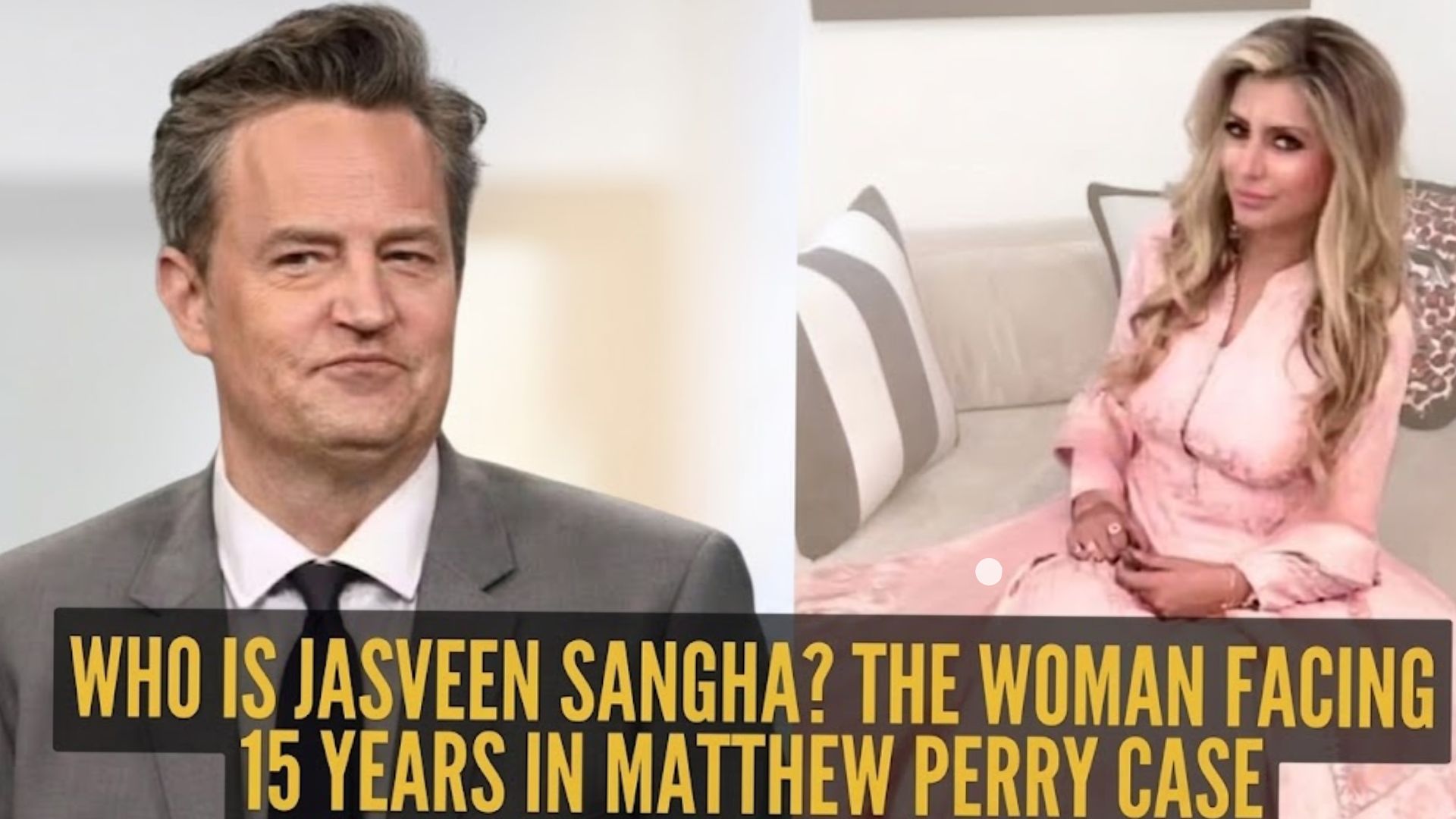
Jasveen Sangha-Some stories hit the headlines and disappear within days. People talk about them, react to them, and then slowly move on as a new wave of breaking news takes over. But some stories refuse to fade because they carry more than just shock. They carry emotion. They carry memory. They carry grief. And most of all, they carry questions that continue to trouble people long after the first reports are over. The story around Jasveen Sangha and the Matthew Perry case is exactly that kind of story.
This is not only a legal case. It is also a story about celebrity, addiction, vulnerability, bad decisions, and a loss that still feels very personal to millions of people. Matthew Perry was not just a famous actor. He was someone audiences had welcomed into their homes for years. For many people, he represented comfort, humor, and familiarity. They watched him on screen, followed his public struggles, admired his honesty, and hoped he would find peace after so many difficult years. That is why his death hit people so hard. It did not feel like a distant celebrity headline. It felt painful and upsetting in a deeper way.
Now the name Jasveen Sangha is back in the news because the legal side of the case has moved forward again. That has reopened public conversation in a very big way. People are once again asking what happened, who was responsible, why this tragedy unfolded the way it did, and what the case says about the dangerous world surrounding addiction and illegal drug supply. Every time the case moves in court, the story returns to the spotlight because the emotional weight around it never really went away.
That is one of the biggest reasons Jasveen Sangha keeps making news. This is not just about one individual appearing in court. It is about the aftermath of a shocking loss that people have not forgotten. It is about the complicated and often heartbreaking reality of addiction. It is about accountability when someone vulnerable is supplied with dangerous substances. And it is about how a beloved public figure’s death became tied to a larger network of people, choices, and consequences.
| Key Detail | Information |
|---|---|
| Main Keyword | Jasveen Sangha |
| Case Focus | Matthew Perry overdose case and the latest sentencing update |
| Latest Update | Jasveen Sangha is back in headlines after a major court sentencing |
| Why It Matters | Celebrity loss, addiction, illegal drug supply, and public accountability |
| Article Style | Long-form, human, engaging, and easy to read |
The Matthew Perry case is still making headlines because it touches a nerve. It is tragic, dramatic, emotional, and deeply unsettling. It forces people to think about how fame cannot protect someone from personal pain. It reminds people that addiction is not a simple story with easy heroes and villains. And now, with Jasveen Sangha once again at the center of public attention, the case has entered another chapter that people feel compelled to follow.
Why This Story Still Feels So Big
There are many court cases involving drugs, supply chains, and criminal responsibility. Most of them never become global stories. But this case did, and it did for a very clear reason. The person at the center of the loss was Matthew Perry. That name means something to millions of people across generations. He was part of one of the most recognizable television shows in the world. His voice, his humor, his expressions, and his emotional honesty were familiar to audiences everywhere.
When someone with that kind of emotional connection to the public dies in a tragic way, the story naturally becomes bigger than a normal legal update. People are not only reacting to facts. They are reacting to memory. They are thinking about the person they watched for years. They are thinking about the interviews where he spoke openly about addiction and the effort to recover. They are thinking about how painful it is when someone who fought so hard still ends up lost in the end.
That is why the reappearance of Jasveen Sangha in headlines immediately grabs attention. Her name is now tied to a story that people already carry emotionally. The public is not approaching the case as strangers. They are approaching it with sadness already in place. That sadness makes every update feel heavier. It also makes every legal step feel more significant than it might otherwise have felt.
Another reason this story remains big is that it reflects something wider than celebrity tragedy. It reveals the hidden side of drug supply around wealth, fame, and vulnerability. Many people already know that addiction can become dangerous. But when a case reveals a chain of individuals surrounding a famous person, supplying substances, making reckless choices, and contributing to a fatal result, it becomes even more disturbing. It stops being just a story about personal struggle. It becomes a story about the people around that struggle.
The name Jasveen Sangha therefore keeps coming back because the public sees her as part of that wider picture. Her role in the story is not being viewed in isolation. It is being viewed through the lens of Matthew Perry’s death, public grief, and questions of responsibility. That is what gives this story its power. It is not just current. It is emotionally unfinished for a lot of people.
Who Is Jasveen Sangha and Why Her Name Is Back in Focus
In major criminal cases, there are often names that suddenly move from obscurity into public focus because they become tied to a high-profile tragedy. Jasveen Sangha is one of those names. Before this case, most people had probably never heard of her. But once investigators connected her to the Matthew Perry case, her name became part of a story followed around the world.
That shift is one reason people remain so interested. The public often becomes fixated on how ordinary or previously unknown individuals can become central figures in shocking celebrity cases. It creates a strong contrast between the private world behind the scenes and the public image people had of the celebrity involved. In this case, the name Jasveen Sangha became associated with the darker side of what was happening away from cameras and public appearances.
Now that sentencing and court action have pushed the story back into the spotlight, people want to understand her role more clearly. They want to know what part she played, what authorities said happened, and how her involvement fit into the bigger picture of Matthew Perry’s death. This is not simple curiosity. It is part of the public’s attempt to make sense of a tragedy that still feels deeply upsetting.
The reason Jasveen Sangha is back in focus now is because the legal system has brought fresh closure to one part of the case, but emotionally, the story does not feel closed. Every time her name appears again, it reminds people of the larger event. It pulls the public back to the same heartbreaking fact: a loved actor who spent years battling addiction lost his life, and now the people tied to the supply chain around that death are facing consequences.
There is also something else at work here. In celebrity death cases, the public often wants someone to hold accountable because grief searches for structure. People want to know how something like this happened. They want to know whether it was preventable. They want to know whether someone made reckless or cruel choices that added to the danger. In that emotional search, the name Jasveen Sangha naturally stays in the conversation.
Why the Matthew Perry Case Keeps Hitting So Hard
Some celebrity deaths become news events. Others become cultural wounds. The death of Matthew Perry belongs in that second category. It hit hard because he was not just a performer known for one role. He was someone people felt they understood. He had spoken honestly about addiction, pain, rehab, and the enormous cost of trying to stay sober. That honesty made him feel human in a way many stars never do.
When someone so open about struggle dies in circumstances connected to drugs, the emotional impact becomes even stronger. People do not just feel shock. They feel heartbreak. They feel the cruel sadness of thinking that someone who fought so publicly and so bravely still could not escape the danger around him forever. That emotional reality is what keeps the case alive in public memory.
Every time Jasveen Sangha comes back into the news, that emotional wound is touched again. The public is not merely reading a new court story. It is reliving the sadness of Matthew Perry’s death. It is revisiting the difficult truth that addiction can be relentless, complicated, and fatal even for people who seem to have awareness, resources, support, and public love.
This case also hits hard because it forces people to think about loneliness and vulnerability behind fame. From the outside, celebrity life can look glamorous, protected, and privileged. But stories like this remind people that wealth and fame do not create emotional safety. They do not remove the pain of addiction. They do not guarantee good people around you. And they do not always stop destructive patterns from turning deadly.
The story tied to Jasveen Sangha keeps drawing attention because it sits at the intersection of two powerful emotions. One is public love for Matthew Perry. The other is public anger and sorrow over the circumstances of his death. That mix creates a story people cannot easily leave behind.
How Celebrity Changes the Meaning of a Case
If this had involved an unknown person, it would still have been tragic. But it would not have become a worldwide talking point in the same way. Celebrity changes everything. It changes the scale of coverage, the intensity of public reaction, and the emotional reach of the story. Matthew Perry’s fame is one reason the case connected to Jasveen Sangha remains so prominent.
But celebrity does more than increase attention. It also changes the way people interpret events. Fans do not approach the story neutrally. They bring years of affection, memory, and emotional connection. They remember scenes, interviews, jokes, and moments when Matthew Perry seemed vulnerable or sincere. That emotional history makes the legal details feel personal.
In many celebrity cases, the public also becomes fascinated by the hidden world around the star. People want to know who was present, who enabled what, who supplied what, and how the private network around fame can sometimes become dangerous. This is another reason Jasveen Sangha has become such a strong headline name. People see her not just as an individual defendant, but as someone representing a darker behind-the-scenes reality.
There is also the issue of symbolism. Celebrity deaths often become symbols of much larger public concerns. In this case, the death of Matthew Perry became symbolic of addiction, relapse, vulnerability, and the risk of dangerous people profiting from weakness. When Jasveen Sangha appears in coverage, the story becomes about more than one transaction or one legal event. It becomes about what the case represents.
That symbolic layer is why the story does not feel like ordinary celebrity gossip or even ordinary crime coverage. It feels serious. It feels sad. It feels like a warning. And when a case starts to feel like that, it stays in the headlines much longer.
The Public Fascination With the Dark Side of Fame
People are always drawn to the dark side of fame because it reveals something hidden. On the surface, celebrity life can look perfect. But when a tragic case exposes private pain, addiction, dangerous relationships, or criminal supply networks, the contrast is powerful. The public sees the bright image on one side and the painful reality on the other.
That contrast is a big reason why Jasveen Sangha keeps making news. Her name is now tied to a story that exposes the frightening gap between public image and private struggle. Matthew Perry was beloved, wealthy, famous, and widely admired. Yet behind that public image was a life still vulnerable to dangerous substances and people who could supply them.
This fascinates the public because it feels both extraordinary and familiar. It is extraordinary because it involves a huge celebrity. But it is familiar because addiction, manipulation, and reckless choices are not limited to fame. They exist everywhere. The celebrity angle makes people look, but the deeper themes keep them reading.
The name Jasveen Sangha keeps surfacing because people want to understand the ecosystem around tragedy. They do not only want to know what happened to Matthew Perry. They want to know how the people around him fit into that final picture. They want to know who made the situation worse, who profited, and who crossed a line that society sees as morally unforgivable.
The dark side of fame is always a powerful media story, but in this case, it feels especially raw because the person lost was someone the public genuinely cared about. That emotional bond gives the case a weight that pure scandal alone could never create.
Why Sentencing Brought the Story Back So Strongly
Court sentencing has a special power in public cases. It creates a clear moment of consequence. An arrest may begin the story. Charges may build suspense. But sentencing feels like a formal statement from the justice system. It tells the public that one phase is ending and accountability is becoming real. That is why the case connected to Jasveen Sangha came back so strongly once sentencing moved forward.
Sentencing also brings emotional release. Families, fans, reporters, and the general public have often spent months or years watching the case develop. When a sentence is finally delivered, all that accumulated attention comes rushing back. People want to know the outcome. They want to know whether the punishment feels serious enough. They want to know whether the court recognized the gravity of what happened.
For Jasveen Sangha, sentencing pushed her name right back into public conversation because it gave the media a major turning point. The case was no longer just about allegations. It was about consequence. That always changes the emotional intensity of reporting.
Another reason sentencing matters is that it makes people revisit the original loss. During sentencing coverage, the world is reminded once again why the case exists in the first place. In this instance, that means being reminded of Matthew Perry’s death. So the legal event does not stand alone. It automatically reconnects with the grief surrounding the celebrity loss that started the entire public story.
That is why Jasveen Sangha is once again in major headlines. The sentencing is not only a legal milestone. It is a public reminder of a tragedy people still care deeply about.
The Addiction Angle Makes This Story Even More Emotional
If this case were only about criminal supply, it would already be serious. But the addiction angle makes it even more emotional and difficult to process. Matthew Perry had spoken openly for years about his battle with addiction. He had made that struggle part of his public truth. He did not hide it behind carefully polished celebrity language. He talked about it in ways that felt painful, personal, and honest.
That honesty changed the public relationship with him. It made people root for him in a way that went beyond fandom. They did not just want him to keep acting. They wanted him to survive. They wanted him to heal. They wanted him to finally reach a peaceful place after so much suffering.
When someone like that dies in a case involving supply and substances, it feels particularly tragic. It feels like the hardest part of the story never really ended. That is why any update involving Jasveen Sangha becomes emotionally charged. People are not reading it as strangers to the addiction story. They are reading it with full awareness that Matthew Perry had fought this battle for years.
This addiction angle also shapes public anger. Addiction makes people vulnerable. It can distort judgment, create dependence, and put people at risk of exploitation. So when the case suggests that others supplied dangerous substances to someone already vulnerable, the moral outrage becomes stronger. People do not just see illegality. They see exploitation around a fragile human being.
That is one of the strongest reasons Jasveen Sangha remains such a loaded name in the news. Her role is understood through the emotional lens of addiction, and that lens makes the entire story feel more tragic and more infuriating.
The Question of Responsibility
Whenever a high-profile death leads to criminal charges, one major question takes over public discussion: who is responsible? That question is never simple in drug-related cases. Addiction itself is complicated. Individual choices matter. But so do the actions of those who supply substances, profit from them, and enable dangerous behavior.
In the case linked to Jasveen Sangha, the question of responsibility became central very quickly. The public wanted to know whether this was only a tragic overdose or whether people around Matthew Perry had actively contributed to the deadly outcome in a criminal way. Once the case moved forward and legal responsibility became clearer, public attention intensified.
Responsibility matters because it gives tragedy a structure people can understand. Grief often feels chaotic. Legal accountability imposes a kind of order on that chaos. It identifies conduct, assigns blame, and turns emotional outrage into formal consequence. That is why names like Jasveen Sangha stay in public focus. They become the legal expression of the public’s search for answers.
At the same time, responsibility in cases like this is emotionally complicated. Some people see these cases primarily as criminal supply cases. Others see them as part of the much broader crisis of addiction and exploitation. Many see both. That complexity is one reason the story keeps circulating. It is not morally flat. It raises difficult questions about personal agency, vulnerability, and the people who profit from dangerous situations.
The public keeps returning to the case because it wants to believe that when reckless or harmful actions contribute to a vulnerable person’s death, the justice system will respond. Jasveen Sangha remains in the spotlight because her case now sits right at the center of that public expectation.
Why the Media Cannot Let This Story Go
There are some stories the media knows will always draw attention because they combine celebrity, tragedy, crime, and emotion. This is one of them. The Matthew Perry case has all the elements that keep a story alive: a world-famous victim, a heartbreaking cause of death, a complicated network of people around the case, and legal developments that create repeated waves of coverage.
That is why Jasveen Sangha keeps appearing in headlines. News organizations know readers care about the outcome. They know Matthew Perry still matters to audiences. They know every major update will spark strong reactions. And they know the story sits at the intersection of entertainment, crime, health, and public morality.
But media attention alone is not enough to keep a case alive. Plenty of celebrity stories get huge attention for a while and then disappear. This one keeps returning because it still feels unresolved in a deeper emotional sense. Sentencing may move one part of the case forward, but people are still processing the broader tragedy.
The media also keeps returning to the story because it reflects larger issues society is already worried about. Illegal drug supply. The vulnerability of public figures. Addiction. Profiting from someone’s weakness. The hidden worlds around celebrity. These are not niche concerns. They are powerful subjects with wide emotional reach.
So yes, the media cannot let the story go. But it is not only because the case is famous. It is because the story behind Jasveen Sangha still feels important, painful, and relevant.
The Human Side of Matthew Perry’s Loss
One reason this story remains different from many other celebrity legal cases is the strong human side of Matthew Perry’s public image. He was not just seen as glamorous or distant. He often came across as wounded, funny, self-aware, and vulnerable. People felt affection for him not only because he made them laugh, but because he seemed so openly human.
That humanity is what makes updates involving Jasveen Sangha hit harder. The public is not only thinking about a star. It is thinking about a person who had clearly struggled. A person who had tried. A person who had spoken about pain without pretending everything was fine. That creates a much more intimate kind of public grief.
In many celebrity cases, the audience watches from a distance. Here, the distance feels smaller. People feel they knew something real about Matthew Perry, even if only through interviews, his memoir, or years of seeing him in public. That sense of emotional familiarity changes everything. It makes the case feel less like gossip and more like loss.
That is also why the story keeps making headlines. When Jasveen Sangha appears in court coverage, she is being discussed in relation to someone who is still deeply mourned by the public. That emotional connection keeps the case alive in a way that pure fame alone could not.
The Case as a Warning About Exploitation
Another reason this story continues to matter is that many people see it as a warning about exploitation. Addiction creates risk, and vulnerable people can become targets for those willing to profit from that vulnerability. The case linked to Jasveen Sangha has therefore become bigger than one celebrity tragedy. It has become part of a larger conversation about what happens when vulnerable people are surrounded by people who make things worse instead of safer.
This warning matters because it is not limited to Hollywood. The same pattern can exist anywhere. A person in pain, a dangerous substance, someone willing to sell, someone willing to enable, and a tragic outcome. The celebrity element may have made the case famous, but the deeper pattern is much wider and much more ordinary than people want to admit.
That broader warning gives the story its staying power. Jasveen Sangha is not just in headlines because of one court document or one sentence. She is in headlines because the case now represents something that people recognize as deeply wrong: taking advantage of danger instead of preventing it.
This moral dimension is powerful. It means the public does not approach the case with detached legal curiosity. It approaches it with a sense of anger, sadness, and moral judgment. That combination is exactly what keeps certain stories alive for a very long time.
Why Jasveen Sangha Became a Symbol in This Case
In major public cases, certain names become symbolic. They no longer refer only to an individual person. They start to represent a role in the wider story. That is what has happened with Jasveen Sangha. Her name now symbolizes the supply side of a tragedy that already carried huge public grief.
This symbolic role matters because symbols are easier for the public to hold onto than complicated legal structures. People may not remember every detail of the case, every date, or every charge. But they remember the names that come to embody the roles within the story. Matthew Perry represents loss, vulnerability, and public grief. Jasveen Sangha represents the dangerous criminal side that prosecutors linked to that loss.
That symbolic shift is one reason she keeps making news. Her name now carries meaning beyond the courtroom. It triggers memory of the entire case. It brings back the emotional force of the tragedy. And it reminds people of the broader questions of responsibility and exploitation.
Once someone becomes a symbolic figure in a celebrity death case, every legal step involving them becomes newsworthy. That is exactly what is happening here. The public no longer sees the name Jasveen Sangha in isolation. It sees the entire Matthew Perry story behind it.
Why People Still Want Answers Even After Legal Action
One of the most interesting things about public reaction in cases like this is that legal action does not end curiosity. Sometimes it increases it. That is because the courtroom can answer legal questions, but it cannot fully answer emotional ones. It can say what happened in criminal terms, but it cannot fully explain why the tragedy feels so devastating or what people are supposed to do with that grief.
That is why even after sentencing, the story involving Jasveen Sangha still feels active. People want to understand more than the legal outcome. They want to understand the choices, the relationships, the surrounding environment, and the emotional reality that led to such a terrible end.
They also want reassurance that this kind of exploitation will be taken seriously. In public grief, people often look for signs that the system recognizes the human cost of what happened. Legal action provides some of that reassurance, but it does not erase pain or stop questions from lingering.
So even after major developments, people keep reading. They keep discussing. They keep revisiting the story. That is not because they enjoy the tragedy. It is because the tragedy still feels unresolved in human terms. Jasveen Sangha remains in headlines because one legal chapter may be closing, but the emotional conversation is not.
What This Story Says About Modern Celebrity and Vulnerability
The story around Jasveen Sangha and Matthew Perry also says something bigger about the world of modern celebrity. It reveals how fame can coexist with deep vulnerability. It shows how public success can hide private struggle. And it reminds people that even the most recognized faces can still be surrounded by danger in very personal ways.
This is one reason the case has such cultural impact. It breaks the fantasy that fame creates safety. In reality, fame can sometimes increase exposure to harmful people, unhealthy environments, and exploitative behavior. The public knows this instinctively, but cases like this force the issue into the open.
Matthew Perry’s death made that vulnerability impossible to ignore. The legal developments involving Jasveen Sangha keep reinforcing it. Together, they form a story that feels tragic not only because of one life lost, but because of what that loss reveals about celebrity culture, addiction, and human weakness.
That is why the case continues to resonate. It is not just a sad event. It is a story that makes people rethink things they assumed about success, recovery, and protection. It feels like both a personal tragedy and a public cautionary tale.
Final Thoughts
The reason Jasveen Sangha is making headlines again is not just because of one sentencing update. It is because her name is now tied to one of the most emotionally painful celebrity death cases in recent memory. Every time the case moves forward, the public is reminded of Matthew Perry, his long and difficult struggle with addiction, and the shocking circumstances of his death.
This story remains powerful because it touches so many human nerves at once. It is about grief. It is about fame. It is about addiction. It is about exploitation. It is about accountability. And it is about the tragic reality that someone deeply loved by millions could still end up surrounded by danger in his final chapter.
The public keeps returning to this case because it still hurts. It still raises questions. It still feels personal. And the name Jasveen Sangha now carries all of that weight whenever it appears in the news.
That is why the Matthew Perry case keeps making headlines again. Not because people have forgotten and suddenly remembered, but because they never truly stopped caring in the first place.
FAQs
Why is Jasveen Sangha back in the news?
Jasveen Sangha is back in the news because the Matthew Perry case has seen a major legal update, bringing her role in the case back into public focus.
Why does the Matthew Perry case still get so much attention?
The case still gets huge attention because Matthew Perry was loved around the world, and his death touched people emotionally far beyond normal celebrity news.
Why does this story feel bigger than a normal court case?
It feels bigger because it combines celebrity loss, addiction, grief, illegal drug supply, and public questions about accountability.
Why is Jasveen Sangha such an important name in this case?
Jasveen Sangha became an important name because her role is seen as part of the supply side of the tragedy linked to Matthew Perry’s death.
Why do people still feel emotional about this case?
People still feel emotional because Matthew Perry meant a lot to audiences, and the case forces them to revisit a painful and shocking loss.