BMW There was a time when a luxury car brand could depend on reputation for years. A famous badge, a handsome sedan, a solid engine, and a rich cabin were often enough to keep people loyal. That world is moving quickly now, and BMW knows it.
Today’s premium car buyer wants more than status. They want technology that feels useful, electric cars that do not feel like a compromise, design that still turns heads, software that actually works, and a brand that looks ready for the next decade instead of stuck in the last one. That is exactly why BMW has become such a closely watched name again. The company is pushing toward a more electric, more digital, and more design-led future, while still trying to protect the things that made it desirable in the first place.
That balance is not easy. A luxury brand cannot simply throw away its identity and start from zero. People buy into BMW for a reason. They expect a certain road feel, a certain image, a certain sense of confidence. At the same time, they also want the company to move faster, think bigger, and build cars that feel more relevant in a world where electric mobility, digital cabins, connected features, and changing expectations are rewriting the rules. That is why this moment feels so important for BMW. Luxury buyers are not just looking at the current lineup. They are watching the direction.
| Main Keyword | BMW |
|---|
And to be fair, BMW is not moving quietly. The company has been talking strongly about its next-generation Neue Klasse products, a new design and technology direction, fresh in-car digital ideas like BMW Panoramic Vision, and a stronger push around electrification without abandoning performance and premium appeal. For buyers, this does not feel like a minor update cycle. It feels like a brand trying to reshape itself without losing its soul.
That is why luxury car buyers are watching closely. This is not only about whether BMW launches another SUV or another sporty sedan. It is about whether one of the world’s most recognizable premium brands can evolve fast enough to stay exciting, while still feeling unmistakably like BMW.
BMW Is No Longer Selling Only Cars, It Is Selling a Future
One of the biggest changes in the premium market is that buyers are no longer judging a brand only by what is parked in the showroom today. They are also judging it by where it is headed. They want to know if the company they spend their money on will still look smart and relevant a few years from now. That is a huge part of the current story around BMW.
People buying a luxury car today are often making a bigger emotional decision than before. They are not just choosing horsepower, cabin quality, or rear-seat comfort. They are choosing a philosophy. They are asking whether the brand understands electric mobility, whether its digital systems are good enough, whether its design is moving in the right direction, and whether the car will still feel special in a market that is becoming more crowded and more competitive by the year.
This is where BMW has become fascinating. It is trying to show that it can be modern without becoming bland. It wants to be seen as future-ready, but not cold. It wants to build electric cars, but not lose the emotional pull that made the brand powerful for decades. It wants to become more digital, but still feel like a brand for people who care about driving and not just screen size.
That future-facing attitude is now part of the premium buying conversation. In the old days, a buyer might have compared BMW with Mercedes-Benz or Audi mainly on styling, comfort, or engine options. Now the comparison is wider. Buyers are asking how each brand handles EV strategy, user interface design, charging, software updates, sustainability, and long-term direction. That makes BMW much more than a carmaker in the eyes of buyers. It becomes a statement about where luxury mobility is going.
The Modern Luxury Buyer Has Changed, and BMW Knows It
The luxury buyer of today is not the same person from ten years ago. Even when the income bracket is similar, the mindset is different. Prestige still matters, of course. People still enjoy a car that carries presence. But prestige alone does not close the deal anymore.
Today’s premium buyer often wants a blend of style, performance, daily practicality, and future confidence. They may care about the badge, but they also care about charging networks, software quality, cabin tech, driver assistance, and whether the car still feels fresh after a year of ownership. In many cases, they are also more globally aware. They know what is happening in other markets. They know what rivals are doing. They know when a brand looks slow to react.
That is why BMW cannot afford to move lazily. It has to show that it understands the new customer. The person buying a premium SUV today may want a strong road presence and a rich cabin, but they also want smarter connectivity and a cleaner powertrain story. The person buying a sporty sedan still wants excitement, but may also want efficiency, advanced displays, and the sense that the brand is not falling behind.
This shift in buyer behavior explains why BMW seems to be working so hard to present itself as both modern and emotionally appealing. It is not enough to be respected. The brand still has to feel alive. It still has to feel like it knows what the next luxury customer wants before the customer fully says it.
That pressure can be uncomfortable, but it can also be energizing. For BMW, it appears to have become a reason to move faster and communicate more clearly about where the brand is going.
BMW and the Electric Question
No conversation about the future of premium cars can avoid the electric question. For brands like BMW, this is especially important because the challenge is not only technical. It is emotional too. Buyers do not just want an EV. They want an EV that still feels worthy of the badge on its nose.
That is where BMW has had to be careful. It cannot simply build electric models and expect the market to clap automatically. It has to prove that these cars still carry a sense of identity. They must feel premium, desirable, and complete. They must not seem like compliance products or rushed answers to industry pressure.
The company’s broader messaging around Neue Klasse shows that BMW understands how central this moment is. It is clearly trying to create a more dedicated, more advanced electric future rather than simply stretching old ideas forever. The brand is presenting this next chapter as a major transformation, not a side project.
That matters because electric luxury is now becoming emotionally competitive. A buyer is no longer impressed just because a car is electric. They want beauty, ease, software confidence, premium feel, and a reason to care. They want a car that feels like progress but still stirs something inside them. That is exactly the challenge facing BMW. It has to make electricity feel desirable, not merely responsible.
If it gets that right, the reward is huge. An electric BMW that still feels rich, exciting, and slightly special can win buyers who want to modernize without becoming boring. That is a very powerful position in the premium market.
Neue Klasse Feels Like More Than a Product Plan
A lot of companies announce new platforms and future concepts, but not all of them create real emotional interest. Neue Klasse feels different because it has been positioned as something deeper for BMW. It sounds less like a normal model refresh and more like a brand reset.
That is why buyers, industry watchers, and even loyal owners are paying attention. They are not only looking at one future car. They are looking at whether BMW can use Neue Klasse to shape a stronger identity for the electric age. That includes design, software, user experience, efficiency, and the whole feeling of what a future BMW should be.
This is a big moment because luxury brands often struggle when they try to reinvent themselves. Move too slowly and you look outdated. Move too aggressively and you risk losing what made you special. BMW seems to be trying to walk that line carefully. It wants Neue Klasse to feel bold, but still connected to the brand’s heritage. It wants future products to look fresh without becoming anonymous.
If that works, Neue Klasse could become one of the most important chapters in the modern history of BMW. It could help the brand look sharper, more confident, and more future-ready at exactly the moment when luxury buyers are asking hard questions about direction.
That is one reason the market is watching so closely. This is not a small design story. It is a test of identity.
BMW Is Still Protecting the Idea of Driving Pleasure
For all the talk about software, electrification, interfaces, and digital ecosystems, one thing remains very important in the BMW story: the brand still wants to be associated with driving pleasure. That phrase has been part of its image for years, and it still matters emotionally.
This is important because premium cars are becoming more similar in some ways. Many are getting quieter, smoother, more digital, and more screen-heavy. In that kind of market, brands need something deeper than feature lists. They need an emotional anchor. For BMW, that anchor has long been the feeling of being the driver’s brand.
Now the challenge is preserving that image in a changing world. Can an electric BMW still feel engaging? Can a future digital-first cabin still feel focused rather than distracting? Can performance remain exciting even as the powertrain changes and the car becomes quieter? These questions matter because they go to the heart of what many people think BMW stands for.
The company seems aware of this. It has not abandoned performance language. It has not walked away from the M image. It has not tried to become a purely soft luxury brand. Instead, it appears to be saying that the future BMW can still be enjoyable from behind the wheel, even if the tools and technologies are changing.
That promise is a very big deal. Buyers who love the badge often want to modernize, but they do not want to lose the emotional reason they loved the brand in the first place. If BMW can hold on to that driver-focused character while becoming more electric and more digital, it will have done something very valuable.
The SUV Era Has Changed BMW Too
No luxury car conversation is complete without talking about SUVs, because they have transformed the market. They have also transformed BMW. The brand is no longer only judged by its sports sedans or coupes. A huge part of the public image now comes from the X range and from how well BMW can blend luxury, presence, practicality, and performance in larger formats.
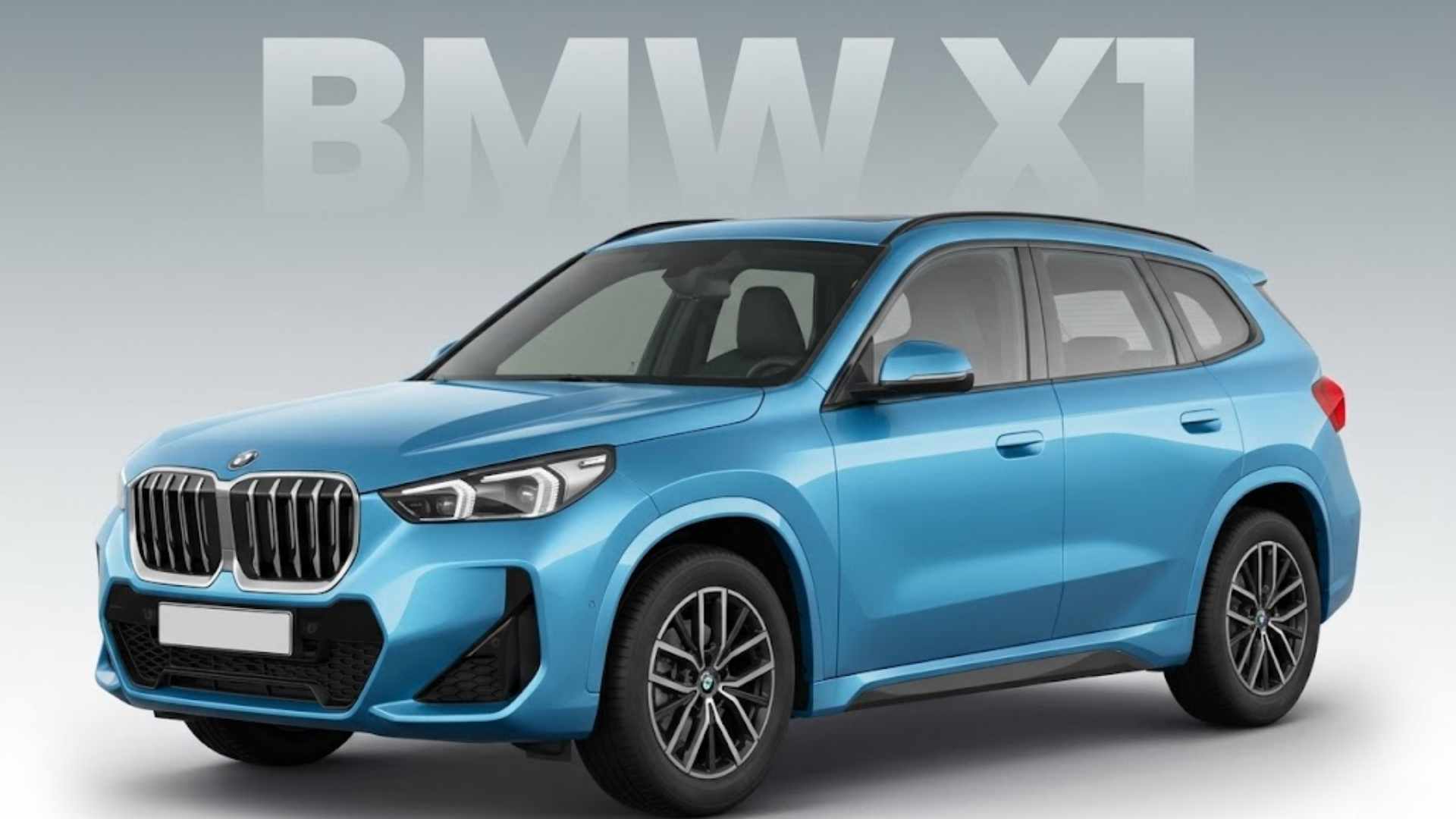
This matters because the modern premium buyer often enters the brand through an SUV. These buyers may not begin their relationship with BMW through a 3 Series or a 5 Series. They may begin through an X1, X3, X5, or an electric SUV. That changes what the brand has to be.
An SUV buyer still wants premium quality, but may care more about space, seating comfort, visibility, road presence, tech features, and family practicality. So BMW has had to become broader without becoming generic. It has had to offer cars that feel more lifestyle-friendly while still holding on to a sporty, premium identity.
This is one reason the company looks like it is changing fast. It is not just dealing with electrification. It is also dealing with the reality that luxury demand itself has changed shape. Buyers want versatility. They want status, but they want usefulness too. They want a premium SUV that feels special every day, not only on a Sunday drive.
That demand has pushed BMW to become more flexible, more diverse, and in some ways more pragmatic. The brand of today has to satisfy more kinds of luxury buyers than before, and that is a major transformation in itself.
Design at BMW Has Become a Bigger Debate Than Ever
Few luxury brands generate design debates the way BMW does now. That alone tells you something important. The company is not playing safe. Whether people love or question certain styling decisions, the brand has clearly chosen not to disappear into quiet sameness.
This matters because design is becoming more important in the electric and digital era, not less. When powertrains become quieter and dashboards become more screen-led, visual identity has to carry even more emotional weight. Buyers need to feel that a car still has character. They need a reason to turn back and look at it after parking.
In that environment, BMW appears to have decided that being talked about is better than being ignored. The company’s design direction has sparked strong opinions, but it has also kept the brand in the center of conversation. For a premium marque, that can be valuable if the design still communicates confidence and ambition.
The question, of course, is whether that boldness ages well. Luxury buyers do not only want something dramatic for launch week. They want something that still feels tasteful and desirable after years of ownership. This is where BMW has to be smart. Bold design can create excitement, but long-term elegance still matters deeply in the premium space.
That is one reason the design side of the brand is being watched so closely. It is not just about looks. It is about whether BMW can create a modern visual language that feels strong, luxurious, and future-facing without becoming tiring.
Digital Luxury Is Now Part of the BMW Battle
The luxury car market is no longer only about leather, metal finishes, and engine feel. Digital quality is now part of the premium experience, and this is an area where BMW is clearly trying to push forward.
Today’s buyer expects a cabin that feels intelligent, not just expensive. They want displays that are useful, interfaces that make sense, voice and connectivity features that do not feel clumsy, and an environment that feels advanced without becoming chaotic. This is where digital design becomes a luxury feature in its own right.
For BMW, this is both an opportunity and a challenge. The opportunity is that a smart, elegant digital experience can make the car feel very current. The challenge is that too much digital clutter can make the cabin feel tiring or generic. A premium brand cannot afford to make technology feel cheap or gimmicky.
The company’s push around future in-car experiences, including Panoramic Vision, shows that BMW is treating the cabin as a major part of its transformation story. It is trying to create a new kind of premium experience, one that feels immersive and modern without losing the sense of driver focus.
That balance is crucial. Luxury buyers still want the wow factor, but they also want calm. A premium cabin should feel impressive, but it should not feel like a fight. If BMW can get this digital luxury formula right, it can strengthen the whole appeal of the brand for the next generation of buyers.
BMW Has to Compete With More Than the Old Rivals Now
There was a time when BMW mainly had to worry about Mercedes-Benz and Audi in the minds of most buyers. That world has widened. The premium space now includes more electric challengers, more tech-first players, and more brands that approach luxury from a fresh angle.
This creates a different kind of pressure. It is no longer enough for BMW to simply be better than its traditional German rivals in a few categories. It also has to make itself compelling against brands that talk more aggressively about software, electric innovation, user experience, and future mobility.
That is why the company’s current transformation matters so much. It is not changing in a vacuum. It is changing in a market where expectations are expanding from every direction. Buyers who once made decisions mostly around engine choice and cabin feel may now also be comparing charging speed, digital interface quality, operating systems, and autonomous features.
In that environment, BMW has to be a luxury brand, a technology brand, and an emotional brand all at once. That is difficult, but it is also what makes the brand’s current moment so interesting. The company cannot rely on old strengths alone. It has to make those strengths feel modern.
And that is exactly why luxury buyers are paying such close attention. They are trying to see whether BMW can remain deeply desirable while the meaning of desirability itself is changing.
Why Buyers Still Care So Much About BMW
Even with all the competition, all the questions, and all the change, one thing remains true: people still care deeply about BMW. That is not something every brand can say with the same force.
The reason is emotional as much as practical. BMW still carries a certain energy in the minds of buyers. It suggests confidence, movement, ambition, and a little bit of edge. It is not only about transport. It is about self-image. It is about how a car feels to own, how it feels to drive, and what it quietly says about the person behind the wheel.
That emotional pull is a huge asset at a time when the market is becoming more rational and more tech-focused. Buyers may compare software and charging specs, but they still want a car that gives them a feeling. BMW remains strong because it still carries that feeling for many people.
The challenge, of course, is making sure that feeling survives the transition into a more electric, more digital, more sustainability-aware era. The brand cannot depend on old memories forever. It has to create new desire, not just borrow from the past.
That is why the current phase matters so much. BMW is not only protecting its legacy. It is trying to build the next emotional chapter.
Final Verdict: BMW Is Changing, and That Is Exactly Why People Are Watching
The reason luxury car buyers are watching BMW so closely is not because the brand looks weak. It is because the brand looks active. It looks restless. It looks like a company that understands the market is moving fast and that reputation alone will not be enough.
That makes this a very important chapter. BMW is trying to become more electric without becoming dull. It is trying to become more digital without losing warmth. It is trying to modernize design, rethink the cabin, and prepare for a new generation of buyers without throwing away the emotional DNA that made the brand special.
That is a difficult balancing act, but it is also what makes the story compelling. Luxury buyers want brands that move with the times, but they do not want those brands to become empty trend-followers. They want evolution with identity. They want progress with character. That is exactly what BMW now has to deliver.