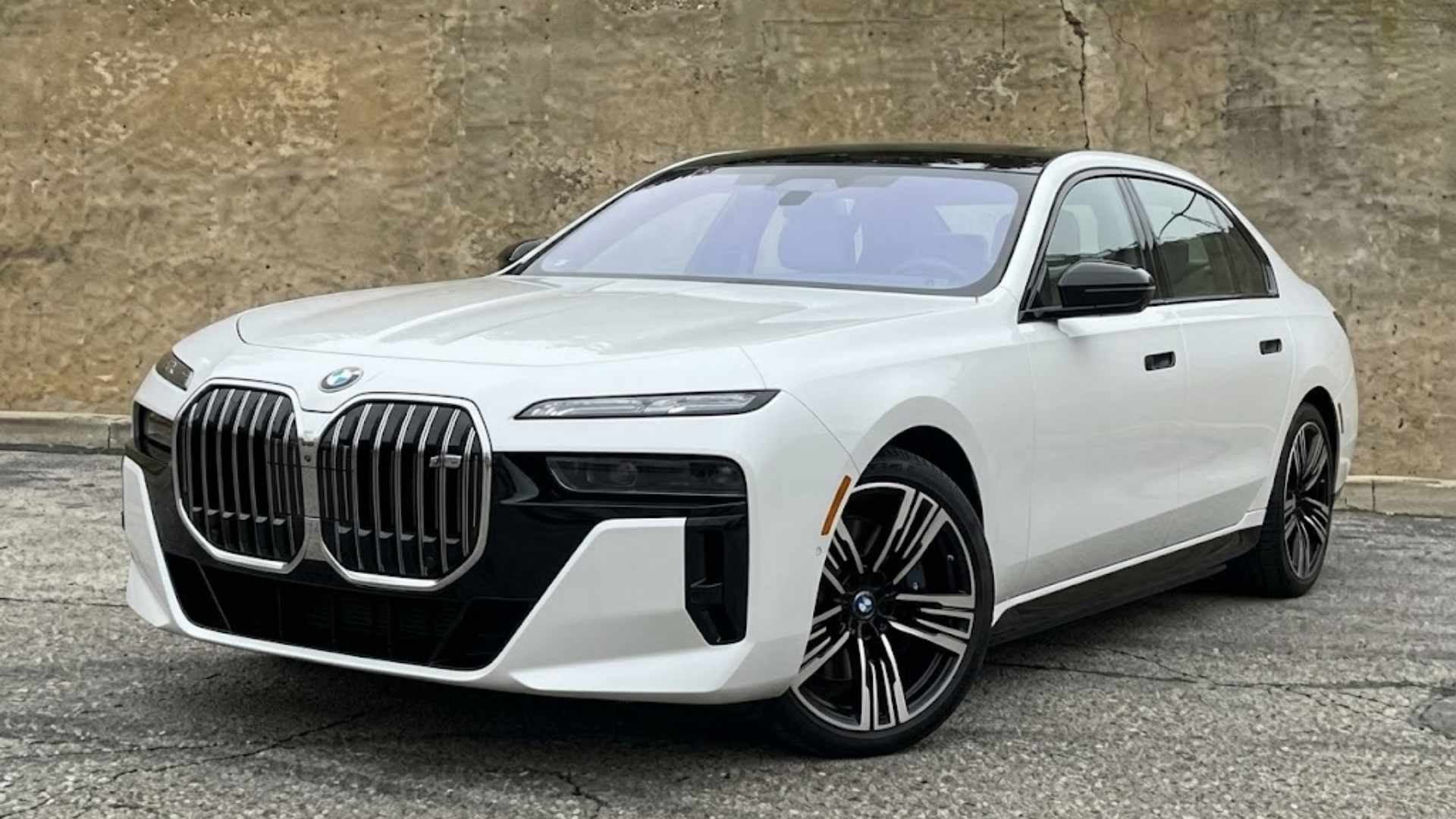
The story of BMW right now feels bigger than a simple luxury car update. It feels like the return of a brand to the center of attention at a time when the global auto market is changing quickly and buyers are becoming more selective with every major purchase. In this kind of environment, not every premium name manages to hold its shine. Some slow down. Some become too predictable. Some lose the emotional pull they once had. But BMW continues to stand out because it has managed to protect something very important. It still knows how to make people feel something.
| Brand | Main Keyword | Industry Position | Current Momentum | Key Strength | Market Mood |
|---|---|---|---|---|---|
| BMW | BMW | Premium luxury car leader | Growing attention in luxury markets | Design, performance, technology, EV push | Fresh optimism |
That feeling matters in the luxury world. A premium car is never just about reaching the office, attending a meeting, or driving from one city to another. It is also about how the owner feels while opening the door, sitting inside, gripping the steering wheel, and seeing the badge on the bonnet. A brand like BMW survives and grows because it understands that luxury is not only about price. It is about presence. It is about identity. It is about confidence on the road and emotion in the heart.
That is why the current spotlight on BMW feels natural. Luxury demand is not disappearing. It is evolving. Buyers are no longer impressed by premium pricing alone. They want design that turns heads, technology that feels modern, cabins that feel rich without becoming cold, and performance that reminds them why they chose a luxury machine in the first place. In this shifting landscape, BMW is once again being discussed as a brand that still knows how to speak to the modern premium buyer.
Why BMW Still Has That Special Pull
Some luxury car brands create an image of elegance. Some project raw power. Some focus on heritage. Some lean fully into technology. BMW has always managed to balance several identities at once. It can look sporty without feeling immature. It can feel premium without becoming distant. It can offer advanced technology without losing the joy of driving. That balance is one of its biggest strengths.
This is why BMW remains such a magnetic name in the market. It appeals to multiple types of buyers at the same time. There is the person who wants a sharp performance machine. There is the successful professional who wants a premium identity that feels confident but not overly loud. There is the younger buyer who wants style, technology, and social appeal in one package. There is also the luxury customer who may no longer drive every day but still wants a car that feels meaningful when it arrives at the gate.
This wide emotional range is rare. Many luxury brands are strong in one area and weaker in another. BMW stays relevant because it offers a more complete premium experience. It does not rely on one emotion only. It offers excitement, prestige, comfort, and modernity together. That combination is exactly why it continues to build fresh momentum when luxury demand starts heating up.
Luxury Demand Is Changing, Not Dying
For a while, there was a lot of talk about whether luxury demand would cool down. Rising costs, economic uncertainty, and shifting global trends led many people to believe premium car buying might slow more sharply. But what has actually happened is something more interesting. Luxury demand has not vanished. It has become more thoughtful and more layered.
Today’s premium buyer wants more reasons to spend. They are not buying just because they can. They are buying because the product feels right, timely, and emotionally satisfying. This is where BMW is benefiting again. The brand fits the modern luxury mood very well. It is premium, but it also feels active. It does not feel sleepy or old-fashioned. It feels alive. It feels like a luxury brand that still has ambition.
That matters because premium customers today often want their purchase to reflect not only wealth, but mindset. They want a vehicle that says they appreciate design, progress, confidence, and good taste. A strong BMW model can speak to all of that at once. This is why the brand keeps returning to center stage whenever luxury demand starts showing fresh energy.
The New Luxury Buyer Is Younger and More Expressive
One of the most interesting changes in the premium auto market is the rise of younger buyers. The luxury customer is no longer always someone from an older generation who values only tradition and quiet status. A growing number of premium buyers are younger professionals, entrepreneurs, creators, and business owners who want something that matches their pace and personality. This shift is helping BMW in a big way.
A younger buyer often sees a car differently. They want more than a comfortable ride. They want design that photographs well. They want technology that feels futuristic. They want a car that fits their image in both real life and the digital world. They also want the badge to carry meaning. BMW works strongly in this environment because it has long carried a sharper, more active personality than many traditional luxury rivals.
This younger buyer also tends to value experience more than before. They do not simply want to own a car. They want to enjoy it. They want the drive to feel alive. They want the cabin to feel premium but still modern. They want their car to reflect their ambition. This is one reason BMW is finding fresh momentum. It speaks naturally to this more expressive luxury audience.
BMW Still Understands the Emotional Side of Driving
There are many reasons people choose a luxury car, but one of the deepest is emotion. A car may offer good features and advanced systems, but if it does not stir something in the owner, it risks becoming just another expensive product. BMW has usually understood this better than most.
The brand has long built its image around the joy of driving, and even now, when technology and comfort dominate many buying decisions, that emotional legacy still matters. Buyers still want a car that feels like it has personality. They want something that responds sharply, looks athletic, and reminds them that driving can still be exciting. BMW continues to benefit from this emotional memory.
Even in an age where many buyers also value rear-seat comfort, large screens, connected systems, and driver assistance, the core idea of BMW still feels distinct. It is a luxury brand that has not forgotten the driver. That matters because many buyers still want the car to feel alive in their hands, not just intelligent on paper.
Design Is Doing a Lot of Heavy Work
In the luxury segment, design can decide whether a car becomes a desire or just a consideration. BMW understands this very well. Its recent models, across sedans, SUVs, and electric offerings, have kept the brand visually active and conversation-worthy. Whether people love every detail or debate certain styling directions, the one thing they do not do is ignore the brand.
That itself is a win. In a crowded premium market, invisibility is dangerous. A luxury brand needs to create reaction. BMW continues to do that. Its cars carry a boldness that often makes them feel instantly noticeable. The stance, the lighting, the grille treatment, the road presence, and the cabin atmosphere all come together to create a strong visual identity.
For modern buyers, this matters a lot. A premium vehicle is a lifestyle object as much as a mode of transport. It should look like it belongs to the future, but it should also carry enough personality to remain memorable. BMW seems to be finding that balance. This is one more reason it is back in the spotlight as luxury demand gains fresh energy.
Technology Is No Longer Optional in Premium Cars
Luxury car buyers have changed. A premium cabin is no longer judged only by leather quality, soft-touch materials, and badge value. Buyers now look at screens, interfaces, connectivity, voice controls, digital displays, driver assistance systems, and the overall intelligence of the experience. In this part of the market too, BMW is staying relevant.
The premium customer wants technology that feels smooth, useful, and elegant. They do not want gimmicks. They want features that make daily driving easier, long journeys calmer, and cabin life more enjoyable. This is where BMW continues to perform strongly because it combines technology with a strong sense of driving identity. The car may feel digital, but it does not feel soulless.
That is important. Some luxury brands risk becoming too cold when they chase tech too aggressively. BMW works because it tries to keep the emotional side alive while moving deeper into modern systems and connected driving. That gives the brand a strong position in a market where customers want both sophistication and soul.
BMW and the Electric Shift
The luxury electric space is one of the most important battlegrounds in the auto world right now. This is where reputation can change very quickly. A brand that handles electrification well can look modern, future-ready, and desirable. A brand that struggles can start looking late or uncertain. BMW has recognized this reality and has been pushing strongly into the EV conversation.
This matters because premium buyers are often more willing to adopt electric mobility earlier than mass-market buyers, especially if the product feels exciting enough. They want refinement, silent performance, instant response, and the feeling of stepping into the future without losing comfort or status. BMW is benefiting from this shift because its electric models are not being seen only as compliance products. They are being seen as real luxury products.
That distinction matters a lot. A premium EV must feel aspirational, not merely responsible. BMW appears to understand that. It knows that luxury EV buyers still want the brand to feel premium, performance-driven, and emotionally rewarding. This EV push is helping BMW stay at the front of the conversation as luxury demand finds new shapes and new priorities.
Comfort Has Become a Bigger Part of the Premium Formula
There was a time when people mainly associated BMW with sporty performance and strong driver focus. That image still exists, but the modern luxury market now asks for more. Buyers increasingly want rear-seat comfort, spaciousness, smoother ride quality, and a feeling that the vehicle can serve both driving pleasure and relaxation. BMW has been adapting to that shift.
This is especially important in markets where many premium buyers often have chauffeurs or regularly travel with family and business associates. A luxury car today must often do two jobs at once. It must feel enjoyable for the owner who drives, but also feel impressive and comfortable when the owner sits in the back. BMW is becoming more effective in this space by broadening its product appeal.
This ability to evolve without losing brand character is one reason BMW is building fresh momentum. It is not stuck in one old definition of luxury. It is adjusting to what modern buyers actually want.
India Is Becoming a Very Important BMW Story
The conversation around BMW feels especially exciting in India because the luxury market here still carries strong aspiration. For many buyers, stepping into a premium car is not just a financial move. It is a life moment. It represents progress, achievement, and a different social identity. This emotional intensity makes India a very attractive market for a brand like BMW.
The Indian buyer is also becoming more diverse. There are younger professionals entering the premium space, business owners from growing cities, startup founders, returning NRIs, and established families looking for new expressions of success. This broadening buyer pool is helping BMW gain fresh energy.
What makes the brand especially strong in India is that it feels both premium and aspirational. It carries international prestige, but it also has a personality that connects well with buyers who want something active and modern. In a market where the luxury segment still has room to grow, BMW is well placed to benefit.
BMW Is Not Relying Only on Legacy
One reason BMW remains in the spotlight is that it has not chosen the lazy path of depending only on brand history. Legacy matters, of course. The badge has earned its place over decades. But in today’s market, legacy alone is never enough. Buyers want freshness. They want product movement. They want visible ambition from the company.
BMW appears to understand that. The brand continues to refresh models, push EVs, explore new buyer preferences, and remain visible in key luxury conversations. That active attitude is keeping it from becoming stale. A premium brand that still looks hungry often attracts more attention than one that sits too comfortably on old prestige.
This is one of the key reasons BMW is back in the spotlight. The company is not behaving like a brand that believes its past is enough. It is behaving like a brand that still wants the future.
The Global Picture Is More Mixed, but That Is Normal Now
It is also true that the global luxury market is not moving in a perfectly smooth line. Some regions are stronger. Some are slower. Buyer confidence can vary a lot from one country to another. But this is exactly why the renewed momentum around BMW matters. The brand is proving that even in a mixed world, strong premium names can still create local victories, maintain aspiration, and stay relevant.
Luxury today is not about one global formula. It is about reading each market correctly, understanding changing buyer psychology, and moving quickly enough to stay desirable. BMW seems to be handling this reality better than many expected. That is another reason the brand is attracting fresh attention again.
Brand Image Still Has Enormous Power
In the end, luxury is about image as much as product. A person may compare features and pricing, but the final choice is often emotional. They ask themselves one simple question. How does this brand make me feel. BMW continues to perform strongly on that front.
The brand still feels successful. It still feels sharp. It still feels like an achievement. That matters enormously in the premium world. Even as technology changes and buyer expectations evolve, image remains one of the strongest currencies in luxury. And BMW still holds a lot of it.
This is why the fresh buzz around BMW feels believable. The brand is not being pushed by hype alone. It still has deep emotional power, and in a market where luxury demand is becoming more expressive, that power becomes even more valuable.
Final Thoughts
The renewed spotlight on BMW says something important about the luxury car market in 2026. Demand has not faded away. It has become smarter, younger, more expressive, and more demanding. Buyers want design, technology, comfort, performance, and emotional satisfaction in one package. Not every premium name can deliver all of that with equal strength. BMW still can.
That is why BMW is back in the spotlight as luxury car demand builds fresh momentum. The brand continues to benefit from its driving identity, premium image, technology push, EV strategy, and ability to connect with a new kind of buyer. It feels modern without losing legacy. It feels ambitious without becoming desperate. And most importantly, it still knows how to make ownership feel special.
In a world where luxury is changing shape, BMW is proving that it still knows how to lead the conversation rather than simply follow it.
FAQs
Why is BMW back in the spotlight in 2026?
BMW is back in the spotlight because luxury car demand is showing fresh energy, and the brand continues to attract buyers with strong design, modern technology, premium image, and a growing EV presence.
Why do younger buyers connect strongly with BMW?
Younger buyers often connect with BMW because the brand feels sporty, stylish, modern, and aspirational. It fits a lifestyle-driven approach to luxury.
Is BMW only about performance now?
No, BMW is no longer seen only as a performance-first brand. It also offers premium comfort, advanced technology, luxury cabin experience, and electric mobility options.
Why is BMW important in the changing luxury market?
BMW matters because it combines legacy with freshness. It still has brand power, but it is also adapting to new buyer expectations around EVs, comfort, design, and digital technology.
Is BMW benefiting from the electric shift?
Yes, BMW is benefiting because premium EV buyers want luxury, refinement, and future-ready technology, and the brand is offering products that fit that demand well.