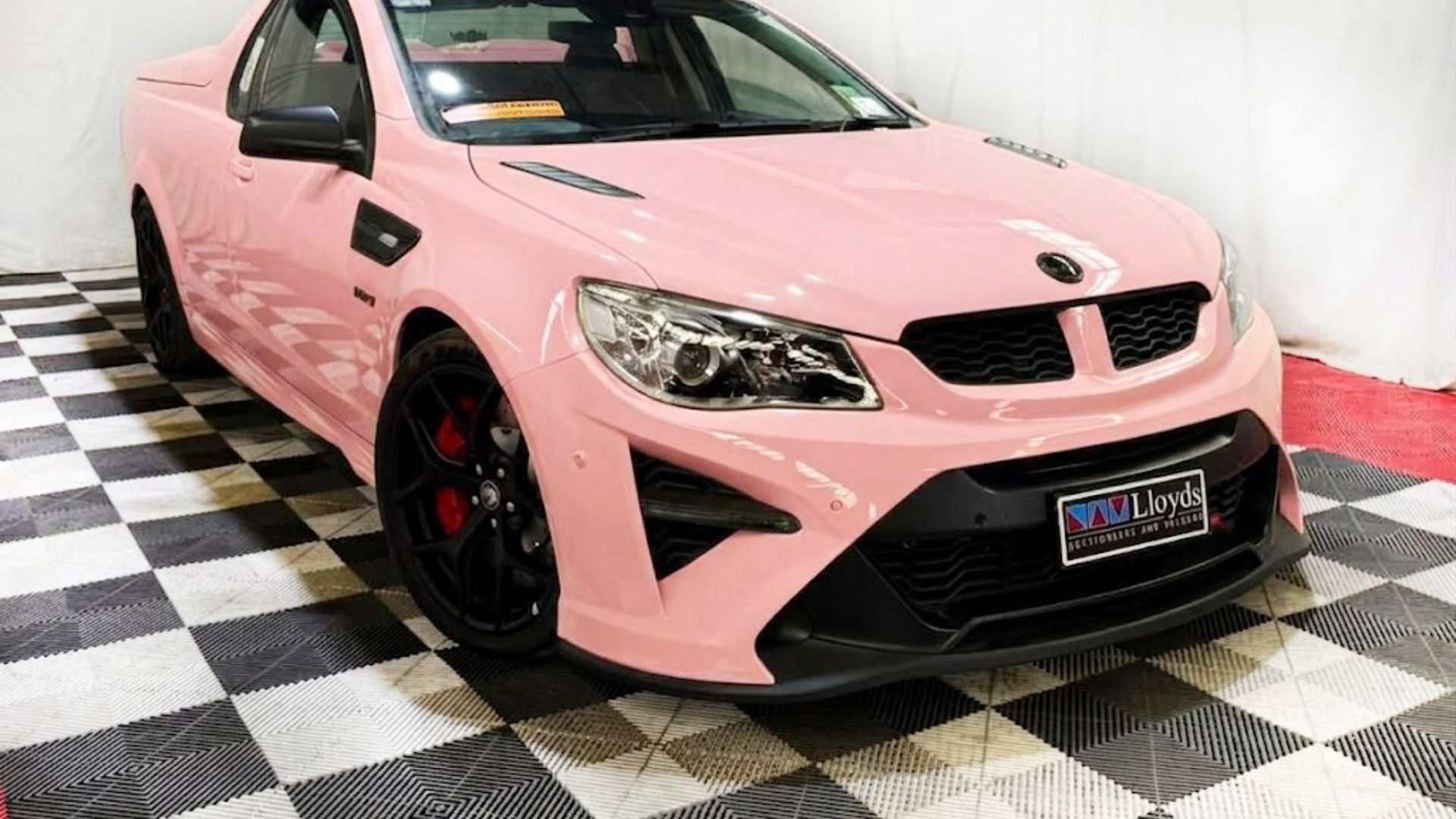
More Than a Car Brand, Holden Became a Feeling
Holden Some names in the auto world are remembered for performance. Some are remembered for style. Some are remembered for innovation. But Holden is remembered for something even bigger. Holden is remembered for how it made people feel. That is why even today, long after the brand stopped being part of everyday new-car conversation in the same way, the name still has the power to stop people for a moment. It still brings out stories. It still brings out memories. It still brings out emotion.
For many people, Holden was never just about a car parked in the driveway. It was about a family’s first big purchase. It was about a father proudly washing the car on a Sunday morning. It was about children fighting for the window seat on a summer road trip. It was about packed bags, warm air, long highways, petrol station stops, and a sense that the world ahead was open and waiting. Holden was woven into ordinary life, and that is exactly why it became extraordinary.
| Aspect | Details |
|---|---|
| Main Keyword | Holden |
| Article Type | Feature article |
| Word Count | 2500+ words |
| Tone | Emotional, human, engaging |
| Focus | Legacy, memory, culture, identity, and why Holden still matters |
That kind of bond cannot be created by marketing alone. It has to be built over years. It has to live through generations. It has to be present at big moments and small ones. Holden managed to do that. It became part of homes, part of communities, part of conversations, and part of national identity. Even people who were not obsessed with cars often had some connection to Holden. Maybe their parents owned one. Maybe their grandparents spoke about one with affection. Maybe they saw one in the street and felt a sudden memory rush in.
When fans remember Holden, they are not just remembering a product. They are remembering a part of life. That is what makes the name so powerful even now.
Why Holden Still Means So Much to So Many People
The simple answer is memory. But the deeper answer is belonging. Holden gave many people a sense that the cars on their roads reflected the places they came from, the people they knew, and the lives they were living. It did not feel distant. It felt familiar. It felt close. It felt like something that belonged to the same world as the people driving it.
There is a reason some brands become emotional symbols. It usually happens when they show up again and again during important years of life. Holden was there in family photos, local garages, suburban streets, country roads, race conversations, school drop-offs, first jobs, and first dates. For some, a Holden was the first car they learned to drive. For others, it was the car in which they traveled across long distances with parents, siblings, cousins, and friends. The badge became attached to human moments.
That emotional weight has only grown with time. Once something becomes part of collective memory, it stops being just a machine. It becomes a marker of an era. Holden came to represent more than transport. It represented a certain confidence, a certain practicality, and a certain spirit that many people still feel deeply protective about.
And that is why the Holden name still matters. It holds stories inside it.
Holden and the Idea of Homegrown Pride
One big reason Holden remains so special is that for many people it stood for local pride. There was something deeply meaningful about seeing a car brand that felt connected to the country’s roads, communities, and working life. People did not just admire Holden because the cars were useful or good-looking. They admired Holden because it seemed to belong to the same landscape they belonged to.
That matters more than some people realise. Cars are often treated as simple consumer goods, but in truth they can represent culture and identity too. When a brand feels local, it feels personal. It feels like a reflection of the people who live with it. Holden grew into that kind of symbol. It stood for effort, industry, familiarity, and toughness. It felt suited to everyday life, but it also felt capable of something more. It could be practical one moment and proud the next.
For workers and families, Holden often represented the dignity of making, building, and doing things with real hands and real effort. It gave people something to rally around. It created a sense that the badge was not just imported into their world from somewhere far away. It had roots. It had presence. It had context. That is part of why the feeling still runs so deep.
Even now, many fans speak of Holden not just as a car company but as a part of who they were, where they grew up, and what their parents valued. That is a rare kind of attachment.
The Cars Were Real, But the Emotions Were Bigger
The most interesting thing about Holden is that people often talk about it in emotional language rather than technical language. Yes, there were engines, models, trims, performance figures, and mechanical details. Those things matter to enthusiasts. But when ordinary fans speak about Holden, they often begin somewhere else. They begin with family. They begin with memory. They begin with feeling.
They remember the sound of the door shutting. They remember the smell of the seats in summer. They remember the way the car looked after being cleaned before a wedding, a festival, or a long drive. They remember sleeping in the back seat as children while adults talked in the front. They remember waiting in the car park after school. They remember the cassette player, the radio, the laughter, the arguments, the silence, the songs, and the miles.
This is why Holden became bigger than metal. The machine was real, but the emotional life around it was even more real. The car became part of everyday existence. It carried people not only physically but emotionally too. It was there during ordinary life, and ordinary life is where the deepest attachments are formed.
That emotional connection is what keeps the Holden story alive. Brands do not survive in memory just because they sold well. They survive because they meant something.
A Brand That Sat Inside Family History
Every family has its own unofficial archive of memories. There are photos, stories, objects, and moments that come up again and again in conversation. For many families, Holden sits inside that archive. Sometimes the memory is joyful. Sometimes it is funny. Sometimes it is simple. But it lasts.
A child remembers the exact shade of the family Holden. A parent remembers saving for it. A grandparent remembers the pride of owning it. An uncle remembers fixing it on the weekend. A cousin remembers learning to reverse it badly and getting shouted at. These are not glamorous stories, but they are human ones. And human stories are what build legends.
This is why Holden still feels alive. Its place in public memory is supported by thousands and thousands of private memories. Those private memories give the name warmth. They stop it from becoming a cold historical reference. Holden is remembered at dinner tables, in old photo albums, in garage conversations, and in that one moment when someone sees a classic example on the road and says, almost automatically, we had one like that.
That sentence alone explains the power of Holden. It is the language of memory. It is the language of belonging.
Holden and the Open Road Dream
There is also something about that connects naturally to the dream of the open road. Cars are practical, but they are also emotional symbols of movement, possibility, and escape. became part of that dream for many people. It was the car for weekend drives, long holidays, family trips, country roads, and the kind of travel that felt simple but important.
When people think back on the Holden years, they often picture motion. They picture highways stretching ahead. They picture parents in the front seats and kids in the back. They picture hot weather, snacks packed in bags, stops at roadside stations, and music playing while the scenery rolls by. The car becomes part of the emotional texture of the memory.
That is why Holden often feels tied to freedom. It was not just about getting from one place to another. It was about what the journey felt like. The road ahead seemed bigger when you were inside a car that felt strong, familiar, and trusted. That feeling matters. It is one of the reasons fans still speak with such affection.
The badge was on the bonnet, yes. But the memory was all around it.
Why Nostalgia Around Holden Feels So Strong
Nostalgia is not just about missing the past. It is about missing what the past felt like. Holden triggers that kind of emotion because it reminds people of times in life that felt warmer, simpler, more personal, or more connected. The cars become symbols of whole chapters of life.
For some, brings back childhood. For others, it brings back youth. For others, it brings back a parent or grandparent who is no longer here. That is why the emotion can run so deep. People are not only thinking about a brand. They are thinking about people they loved, roads they traveled, houses they lived in, and a version of life that feels distant now.
That is powerful. It explains why Holden nostalgia is not just casual appreciation. It can feel almost protective. Fans do not want the name treated lightly because it means too much. It is connected to identity, memory, and real life.
And in a fast-changing world, nostalgia becomes even stronger. When everything around people seems to move too quickly, old symbols of stability become more important. Holden represents that for many. It stands for a more grounded version of everyday life, one that people still hold onto in memory even as the world changes around them.
More Than a Logo, Holden Became a Character
Some brands stay flat. They remain logos and slogans. Holden did something else. It became almost like a character in national life. It had personality. It had attitude. It had a way of showing up in people’s stories that made it feel human rather than corporate.
That personality was one reason so many people stayed attached to it. could feel tough without feeling cold. It could feel practical without feeling boring. It could feel familiar without losing presence. In many minds, Holden became a symbol of reliability, grit, and everyday confidence.
Fans often speak of the brand in the same tone people use for an old friend or a respected family figure. There is affection, but there is also loyalty. That kind of loyalty is not easy to build. It comes only when people believe a brand truly belonged in their lives rather than simply selling into them.
Because Holden carried such a strong personality in public memory, it remained emotionally vivid. Even after the market moved on, the character did not disappear. It stayed in people’s minds. That is why seeing an old Holden on the road still creates a reaction. It is not only a car sighting. It is a reunion.
Holden in Everyday Streets and Everyday Lives
One reason Holden became legendary is that it was never only for special occasions. It was part of ordinary days. And ordinary days are what really shape emotional attachment. The car that takes you to work, brings groceries home, waits outside school, drives the family on holiday, and sits quietly in the driveway through all seasons becomes part of life’s routine. Over time, that routine turns into memory.
lived in those routines. It was present in suburbs, towns, highways, workshops, and family homes. It was seen in the kind of places where real life unfolds. That everyday presence is what gave it such reach. It did not belong only to collectors or enthusiasts. It belonged to regular people.
That matters. A brand becomes culturally powerful when it moves beyond niche admiration and enters ordinary life. Holden did that. It became a familiar sight, and familiarity built trust. Trust built affection. Affection built loyalty. Loyalty built legacy.
Even now, people who may not consider themselves car lovers can still feel something when Holden comes up. That says everything. It means the brand touched more than enthusiasts. It touched society itself.
The Sense of Loss Made the Love Even Louder
Sometimes people only fully understand what something meant after it is gone. That has certainly been true with Holden. The sense of loss around the brand made many people reflect more deeply on what it had represented over the years. The ending of an era does that. It sharpens memory. It makes people look back with new honesty.
When Holden moved out of the centre of everyday motoring life, the public response showed how deeply people still cared. It was not just industry news. It felt personal. It felt symbolic. For many fans, it marked the end of something bigger than a product line. It felt like the closing of a chapter in cultural life.
Loss often reveals affection more clearly than presence does. While something is around every day, people can take it for granted. But when it fades, the emotional truth becomes obvious. had not simply existed in the background. It had occupied a meaningful place in people’s minds and hearts.
That is why the love around Holden today often sounds stronger, not weaker. Memory has distilled the feeling. What remains is not market noise. It is genuine affection.
Why Enthusiasts Still Keep the Flame Alive
The Holden story also continues because fans refuse to let it disappear quietly. Car culture has always depended on passionate communities, and Holden has one of the most loyal and emotional communities of all. These are the people who restore old models, keep them shining, talk about them for hours, and treat them with a level of respect that goes far beyond ownership.
But even here, the feeling is not only mechanical. For many enthusiasts, preserving a Holden is a way of preserving a piece of history and a piece of emotion at the same time. It is a way of keeping family memory alive. It is a way of staying connected to older generations. It is a way of protecting a symbol that still feels valuable.
A well-kept Holden on the road is never just transportation. It is a statement. It says that memory matters. It says that heritage matters. It says that something beloved is still worth caring for. That is why fans continue to invest time, money, effort, and heart into keeping the name visible.
Enthusiasts do more than maintain cars. They maintain cultural memory.
Holden and the Working-Class Heart
Another reason Holden continues to mean so much is because it often felt connected to working life and everyday struggle. It did not exist only in glossy ads or polished showrooms. It existed in the lives of people who worked hard, saved money, supported families, and wanted something solid and trustworthy.
That connection gave the brand depth. It made Holden feel grounded. It belonged not just to dreamers but to doers. It stood in driveways of people who built lives step by step. It became associated with determination, practicality, and dignity.
This matters when people look back. A brand tied to ordinary effort often earns extraordinary respect. Holden was not only admired because of what it sold. It was admired because of the world it stood inside. It was part of communities that valued hard work and honest value. That gave it emotional seriousness.
Even today, when people speak of Holden with pride, there is often something deeper under the words. They are not just praising a car. They are also praising a certain way of life and the people who lived it.
The Racing Spirit and the Cultural Charge
No conversation about Holden’s emotional weight feels complete without mentioning the excitement, rivalry, and cultural charge that surrounded its performance image. For many fans, Holden was not just the family car in the driveway. It was also the badge that stirred adrenaline, pride, and fierce loyalty in the world of motorsport and performance talk.
That side of Holden gave the brand extra energy. It meant the name could live in two worlds at once. It could be practical and emotional for families, while also being thrilling and bold for fans who loved speed, sound, and competition. That dual identity made the brand richer. It could be gentle in one memory and electric in another.
The result was a badge that felt alive across different kinds of people and different kinds of stories. Someone could love Holden because of a parent’s old sedan. Someone else could love Holden because of the roar, the rivalry, and the pride. Both emotions were real. Both helped build the legend.
When a brand holds both comfort and excitement, it becomes very hard to forget.
Younger Generations Are Inheriting the Emotion
One of the most interesting things about Holden is that even people who did not grow up in its biggest years can still feel drawn to it. That happens because emotion gets passed down. Stories get repeated. Old cars stay in family photos. Names stay alive in conversation. Children grow up hearing adults speak with affection, and eventually they understand that this badge means something beyond its shape.
That is how legacy works. It travels through people. Younger generations may not have experienced Holden in the exact same way as their parents or grandparents, but they inherit the feeling. They inherit the stories. They inherit the respect.
And once they begin to explore the name for themselves, they often find something very appealing about it. Holden feels less manufactured than many modern brand stories. It feels lived-in. It feels honest. It carries the marks of real time, real roads, and real families.
That kind of authenticity has strong appeal today. In an age of polished branding and constant reinvention, something grounded and emotionally real stands out. Holden stands out for exactly that reason.
The Name Still Starts Conversations Instantly
One easy way to understand Holden’s power is to notice what happens when the name comes up. People start talking. They do not just say yes, I know it. They start telling stories. They mention a model they loved, a trip they remember, a family member who drove one, or a moment from years ago that suddenly comes back clearly.
That instant storytelling response is the clearest sign of cultural depth. It means the name is attached to experience. It means the brand was part of life, not just commerce. Holden triggers memory in a way only a few motoring names truly can.
This is also why the legend continues. As long as people keep telling stories, the brand stays alive in public memory. It may not occupy the same space in showrooms, but it still occupies emotional space in conversation. And emotional space can last much longer than market presence.
Holden remains the kind of name that turns strangers into storytellers and memories into shared identity.
Why Holden Feels Bigger With Time
Time has a strange way of enlarging the emotional truth of certain things. When years pass, the details that remain are usually the ones that mattered most. With Holden, what remains is not only the memory of cars. What remains is the sense of community, pride, familiarity, movement, and personal history wrapped around them.
That is why Holden almost feels bigger now in memory than it did in the noise of everyday life. The practical debates fade first. The emotional core stays. What survives is the warmth, the pride, and the significance. People remember how Holden fit into their lives, and those memories keep the name powerful.
Some brands fade into trivia. Holden did not. It moved into memory, and memory gave it a different kind of strength. It became part of the emotional map of a generation, and now that emotional map is being passed down, revisited, and respected.
That is not a small thing. It is the sign of a true motoring legend.
Holden Was Never Just Parked in the Driveway
A car can sit quietly in a driveway for years and still hold an entire chapter of life inside it. That idea explains Holden perfectly. The car may have been parked outside, but what it carried emotionally was much bigger. It held routines, relationships, hopes, habits, conversations, and versions of people that only memory can now revisit.
That is why the loss of Holden felt personal to so many. It felt like losing a familiar witness to ordinary life. These cars had been there for so much. They were present through childhoods, marriages, moves, workdays, celebrations, and difficult times. They were not passive objects. They were companions in the background of life.
This is what fans mean when they say Holden was more than cars. They are speaking about emotional presence. They are speaking about memory made visible. They are speaking about the deep human habit of attaching feeling to objects that travel through life with us.
Few badges have done that on such a large scale. Holden did.
Final Thoughts
Holden still means more than cars because it became part of identity, memory, and belonging. It was there in ordinary life and in proud moments. It was there on highways, in suburbs, in country towns, in garages, in family photos, and in countless stories that continue to be told. That is why the name still carries emotion long after the strongest days of the brand itself.
For many fans, Holden represents a world that felt close, familiar, and grounded. It represents family effort, weekend travel, homegrown pride, and the kind of everyday reliability that turns products into emotional symbols. It also represents loss, memory, and the strange beauty of how something can become even more meaningful once it is gone.
A true motoring legend is not remembered only for design or performance. It is remembered for the place it held in people’s lives. Holden earned that place. That is why the badge still matters. That is why the memories still rise so quickly. That is why fans still speak its name with warmth.
Holden was never just about cars. Holden was about people, places, and the roads that connected them. And that is exactly why the legend refuses to fade.
FAQs
Why does Holden still matter so much to fans?
Holden still matters because it was deeply connected to family life, local pride, and everyday memory. For many people, it represents much more than transport.
Why do people feel emotional about Holden?
People feel emotional about Holden because the brand is tied to personal memories, childhood moments, road trips, family stories, and a strong sense of belonging.
Was Holden only important to car enthusiasts?
No, Holden mattered far beyond car enthusiasts. It was part of ordinary life for many families and communities, which is why its emotional reach became so wide.
Why is Holden remembered as a motoring legend?
Holden is remembered as a motoring legend because it became a cultural symbol, not just a brand. It stood for identity, pride, routine, and real human stories.
Can younger generations still connect with Holden?
Yes, younger generations can still connect with Holden through family stories, inherited memories, classic cars, and the strong emotional legacy the brand continues to carry.