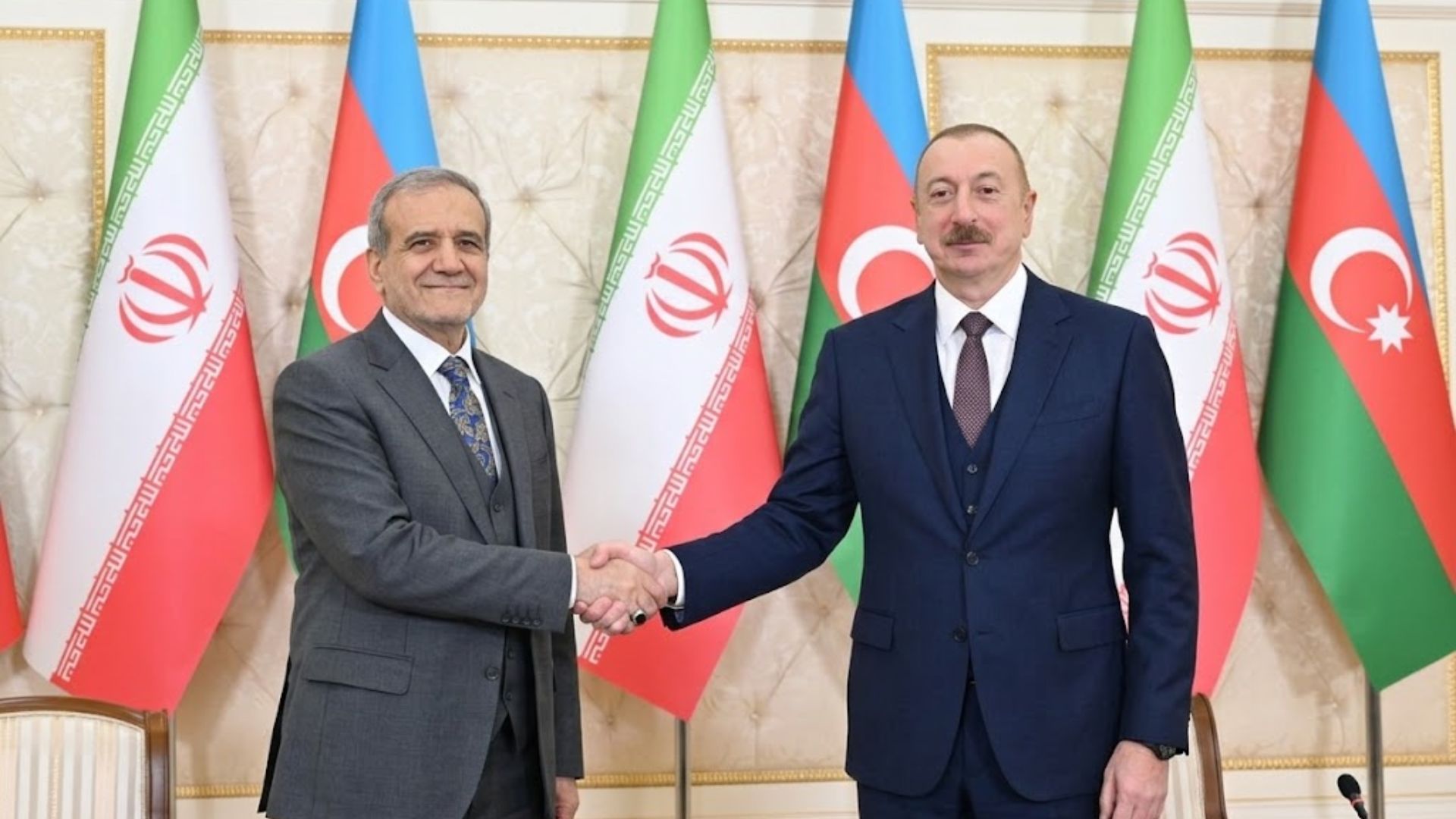
Introduction
Azərbaycan Back in Focus-Sometimes a country returns to the center of international discussion not because of one sudden event, but because many important storylines begin connecting at the same time. That is the feeling around Azerbaijan right now. Azərbaycan Back in Focus The country is drawing fresh attention in diplomacy, in trade, in transport, in energy discussions and in wider strategic conversations that stretch far beyond the South Caucasus. That is exactly why the phrase Azərbaycan Back in Focus feels so relevant. It reflects a moment when Azerbaijan is no longer being watched through only one narrow lens. It is being looked at as a country sitting at a very important crossroads of geography, politics and regional influence.
For years, Azerbaijan has held a complicated but highly significant position in the region. It has been shaped by conflict, by peace negotiations, Azərbaycan Back in Focus by energy politics and by the difficult balance between larger powers surrounding it. But in the current phase, the conversation feels broader. Azerbaijan is not only being discussed in relation to Armenia or regional tensions. It is being discussed as a transit player, as an energy partner, as a diplomatic actor and as a country whose choices matter to Europe, to neighboring states and to larger global powers.
That shift is important because it changes the tone of the story. Instead of being viewed only through crisis, Azerbaijan is increasingly being viewed through relevance. Instead of appearing only in moments of tension, it is appearing in discussions about routes, opportunities, influence and long-term regional arrangements. This does not mean the old issues have disappeared. The shadows of conflict, distrust and unfinished diplomacy are still very real. But it does mean the country’s role is being read in a wider and more serious way.
There is also something very human in the way this story is unfolding. Regional diplomacy can sometimes sound cold and technical, filled with words like corridors, Azərbaycan Back in Focus partnerships and frameworks. But behind those phrases are people, histories, anxieties and hopes. Azerbaijan’s current moment matters because it sits inside a region that has suffered pain, long memories and strategic uncertainty. Azərbaycan Back in Focus Whenever talks move, whenever partnerships expand and whenever countries begin looking at each other through negotiation instead of only suspicion, the emotional meaning can be larger than the official statement.
That is why Azərbaycan Back in Focus is not just a headline idea. It is a sign of a country standing in a moment where many eyes are turning toward it again. Some are watching for peace. Some are watching for energy and trade. Some are watching for geopolitical advantage. And some are watching because they sense that the South Caucasus may be entering another important chapter, with Azerbaijan right in the middle of it.
| Topic | Details |
|---|---|
| Main Keyword | Azərbaycan Back in Focus |
| Focus | Regional diplomacy, new talks, energy, trade and strategic importance |
| Key Theme | Azerbaijan’s growing role in peace efforts and regional connectivity |
| Regional Angle | South Caucasus diplomacy and wider geopolitical attention |
| Tone | Human, engaging, news-style |
| Format | Long-form, headings only, no bullets |
Why Azerbaijan Is Getting Fresh Attention Right Now
Azərbaycan Back in Focus Countries do not attract fresh attention for no reason. In Azerbaijan’s case, the renewed focus comes from the way several regional and international interests are meeting at once. Diplomacy with Armenia remains one of the biggest reasons. The peace process between the two countries has been watched very closely because it carries the possibility of reshaping the future of the South Caucasus. Even when progress is uneven, every new conversation, every meeting and every signal of contact becomes important because the stakes are so high.
Azərbaycan Back in Focus But diplomacy is only one layer. Azerbaijan is also gaining attention because it holds a practical geographic value that many countries cannot ignore. It sits in a space that connects Europe and Asia, and that position naturally gives it importance in transport, trade and energy conversations. In a world where countries are thinking more carefully about supply routes, energy security and regional alternatives, Azerbaijan’s place on the map becomes more politically valuable.
Azərbaycan Back in Focus There is also the European angle. Europe has been forced in recent years to think harder about energy diversification, strategic connectivity and new regional partnerships. In that environment, Azerbaijan appears not just as a nearby state in the South Caucasus, but as a useful and sometimes necessary partner in bigger plans. That alone is enough to keep diplomatic and economic attention flowing toward Baku.
Azərbaycan Back in Focus At the same time, Azerbaijan has been working to present itself as more than a passive actor. It wants to be seen as a participant with agency, not simply a country reacting to larger powers around it. That matters because countries that project clarity about their own role often receive more serious treatment. Azerbaijan is clearly trying to position itself as a state that matters in energy, in transit, in diplomacy and in regional balance.
Azərbaycan Back in Focus This renewed attention also comes at a time when the wider region feels unstable in many directions. Global powers are recalculating strategies. Routes and alliances are being reassessed. Economic security and political influence are more tightly connected than before. In such a climate, a country like Azerbaijan becomes harder to overlook.
Azərbaycan Back in Focus So when people say Azərbaycan Back in Focus, they are really describing a mix of things happening together. Peace talks, energy routes, European interest, regional strategy and geopolitical uncertainty are all converging. Azerbaijan is gaining attention because it stands where several important conversations now meet.
The Diplomatic Layer Behind Azerbaijan’s Rising Visibility
Azərbaycan Back in Focus Diplomacy remains one of the strongest reasons Azerbaijan is back in the spotlight. The South Caucasus has long been a region where old wounds and present strategy mix together in difficult ways. For decades, the Armenia-Azerbaijan conflict shaped how the outside world understood the area. That conflict created pain, displacement, distrust and repeated diplomatic deadlock. So every time there is a new round of talks, a new meeting or any sign of fresh communication, the attention naturally rises.
Azərbaycan Back in Focus The reason diplomacy matters so much here is simple. Peace in this region would not only affect two countries. It would affect trade routes, border confidence, regional partnerships and wider perceptions of stability. When Azerbaijan engages in talks that may influence the future shape of peace or post-conflict arrangements, it is doing something that others watch very closely. Neighboring states care. European partners care. Larger powers care too.
Azərbaycan Back in Focus That does not mean diplomacy here is easy or smooth. It is not. Trust is fragile, public emotions are strong and the memory of conflict is still alive. Even when officials speak politely, the political burden remains heavy. But diplomacy in such places is often important precisely because it is difficult. If progress were easy, it would not attract this level of global attention.
Azərbaycan Back in Focus There is also a symbolic side to new talks. Meetings themselves can send a message even before they produce final results. They can show whether communication is alive, whether outside partners are staying engaged and whether the region is moving toward greater stability or drifting back into harder positions. Azerbaijan knows that these diplomatic moments matter not only for substance but for image too. A country that is part of active, serious diplomacy often looks more central to regional planning.
Azərbaycan Back in Focus For Azerbaijan, this is an especially sensitive point. It wants recognition not only for military or territorial outcomes of recent years, but for its place in shaping what comes next. Diplomacy offers a way to present itself as a country involved in future-building, not just conflict memory. That can strengthen its international position if handled carefully.
Azərbaycan Back in Focus So when Azerbaijan attracts attention through diplomatic talks and regional engagement, the story is about more than formal meetings. It is about whether the South Caucasus can move into a less dangerous phase, and whether Azerbaijan can be seen as one of the key actors in that transition.
Azerbaijan’s Strategic Geography Is a Major Reason It Matters
Azərbaycan Back in Focus Geography often decides which countries are noticed and which are ignored. Azerbaijan’s geography makes it very difficult to ignore. It sits in a location that links major regions and allows it to play a role in East-West connectivity, energy movement and transit planning. In calmer times that might already be useful. In a more uncertain global environment, it becomes even more important.
Azərbaycan Back in Focus Azerbaijan’s location makes it part of discussions that reach beyond the South Caucasus. It matters to Europe because of connectivity and energy. It matters to regional partners because of transport corridors. It matters to powers looking at trade routes between Asia and Europe. This geographic position gives Azerbaijan a kind of strategic weight that is not based only on size or population. It is based on placement.
Azərbaycan Back in Focus That is one reason the phrase Azərbaycan Back in Focus feels so fitting. Focus often follows utility. Countries that sit on useful routes tend to attract attention when the world becomes more nervous about supply lines, political blockages and strategic alternatives. Azerbaijan is sitting in exactly that kind of space.
Azərbaycan Back in Focus Geography also affects the country’s political style. States located at crossroads often learn to think in multiple directions at once. They must manage nearby powers, attract outside partners and protect their own room for decision-making. Azerbaijan’s diplomatic and economic posture reflects that reality. It cannot afford to see itself only through one relationship or one axis. It must think in layers.
Azərbaycan Back in Focus This geographic importance also gives Azerbaijan leverage, but it brings pressure too. When many outside actors care about your location, their interests do not always align. A country in that position must balance, negotiate and defend its own priorities carefully. That is part of why Azerbaijan’s choices are being watched so closely. Geography gives opportunity, but it also creates constant strategic tests.
Azərbaycan Back in Focus Still, the advantage is real. In a time when routes matter, Azerbaijan matters. In a time when regional connections are being re-evaluated, Azerbaijan becomes more visible. And in a time when political geography is shaping economic decisions more directly than before, a country like Azerbaijan naturally finds itself back in the center of the conversation.
Energy Politics and Why Azerbaijan Keeps Drawing Europe’s Interest
Azərbaycan Back in Focus One of the strongest practical reasons Azerbaijan remains important is energy. Europe’s energy thinking has changed significantly in recent years, and that shift has given countries like Azerbaijan more attention than before. When energy security becomes a major concern, governments start looking more carefully at who can supply, who can transit and who can help reduce dependence on other routes or actors.
Azərbaycan Back in Focusc Azerbaijan fits into that discussion in a very clear way. It has long been connected to energy exports and pipeline politics, and that gives it a direct place in European strategic calculations. Energy relationships are rarely just commercial.Azərbaycan Back in Focus They are political too. They shape trust, influence, interdependence and long-term partnership. So when Azerbaijan appears in energy conversations, it is usually about more than fuel. It is about the structure of regional relationships.
Azərbaycan Back in Focus This matters because energy gives Azerbaijan a form of relevance that extends beyond conflict headlines. Even people who know little about the South Caucasus may still encounter Azerbaijan’s name through discussions about gas supplies, diversification or Europe’s external energy partners. That gives the country a broader international profile than many states of similar size.
Azərbaycan Back in Focus There is also a timing issue here. In the current global environment, countries are less comfortable relying too heavily on a narrow set of energy sources or transit arrangements. That makes alternative and supplementary partnerships more valuable. Azerbaijan benefits from that logic. It becomes part of a wider search for flexibility and resilience.
Azərbaycan Back in Focus Energy also strengthens Azerbaijan’s diplomatic hand. A country that can contribute to another region’s energy security usually enjoys a more serious hearing in political discussions. That does not erase disagreements or criticism, but it does raise the level of engagement. People pay attention more carefully when they see practical value.
Azərbaycan Back in Focus At the same time, energy importance can create expectations. Partners may want reliability, political stability and long-term clarity. Azerbaijan therefore has to manage not only the opportunity created by energy politics, but also the responsibilities that come with it. Relevance is useful, but it must be maintained.
Azərbaycan Back in Focus Even so, the larger point remains clear. Energy is one of the main reasons Azerbaijan keeps returning to international focus. It gives the country strategic visibility and ensures that its role in the region is discussed in wider forums than conflict alone would create.
Trade, Connectivity and the Bigger Regional Picture
Azərbaycan Back in Focus Another reason Azerbaijan is drawing fresh attention is the growing importance of trade and connectivity. In the current world, countries are thinking much more seriously about routes, corridors and alternative pathways for commerce. The old assumption that trade would always flow smoothly through established patterns no longer feels safe. That change has made countries like Azerbaijan more visible.
Azərbaycan Back in Focus Connectivity sounds like a technical word, but it has powerful political meaning. It is really about who connects whom, through which routes, under whose influence and with what long-term consequences. Azerbaijan’s location and infrastructure ambitions make it relevant to these questions. When Europe thinks about links to Asia, when regional actors think about transport routes and when policymakers talk about corridor politics, Azerbaijan enters the picture.
Azərbaycan Back in Focus This is important because trade routes are no longer only economic facts. They are strategic tools. A country that helps connect larger regions can gain leverage, partnerships and attention. Azerbaijan understands this. It has worked to build an image not only as an energy player but as a state that can contribute to wider regional integration and movement.
Azərbaycan Back in Focus There is also a psychological shift happening internationally. Countries now want redundancy. They want alternatives. They want routes that are not too exposed to one single source of disruption. That makes mid-level regional connectors more important than before. Azerbaijan benefits from that trend because its relevance grows when the world becomes more interested in flexible connections.
Azərbaycan Back in Focus Trade and connectivity also help soften the image of a region often seen only through hard politics. When Azerbaijan is discussed in terms of transport links, business ties and economic integration, the conversation expands beyond conflict. That does not erase the old tensions, but it adds another layer to how the country is understood.
For Azerbaijan, this broader identity is useful. It allows the country to say, in effect, that it should be seen not only as a place shaped by security questions, but as a place contributing to movement, exchange and regional structure. That can make its diplomacy stronger and its image more multidimensional.
So Azərbaycan Back in Focus is also a story about roads, routes and economic imagination. It is about how infrastructure and transit can become part of national relevance in a highly uncertain world.
Azerbaijan and the Balance Between Regional Powers
One of the most difficult realities for countries in this part of the world is the constant need to balance larger powers. Azerbaijan lives in a region where the interests of Russia, Turkey, Europe, the United States and nearby states all interact in complicated ways. That means every major move can be read through multiple lenses at once. A diplomatic gesture may be seen as local by one side and strategic by another.
This balancing act is one reason Azerbaijan attracts so much attention. It is not only what the country does that matters. It is how those actions are interpreted by different players. A single partnership can send different messages depending on who is watching. That makes Azerbaijan’s political positioning especially delicate.
At the same time, this environment gives Azerbaijan an opportunity to practice strategic flexibility. Smaller or medium-sized states in contested regions often survive by learning how to build room for themselves between stronger actors. Azerbaijan has clearly tried to do that. It seeks useful partnerships, but it also wants to avoid being locked too tightly into someone else’s agenda.
That approach can be difficult to maintain. Outside powers often prefer clarity and loyalty. A country pursuing balance may instead project caution and layered interests. But for Azerbaijan, that balancing style is not optional. It is part of the logic of survival and relevance in the South Caucasus.
This also explains why new talks and fresh diplomatic gestures matter so much. Every step Azerbaijan takes is observed not just for its immediate content, but for what it may signal about alignments. Is Baku moving closer to one center of influence. Is it broadening options. Is it asserting independence. These are the questions people ask.
The answer is often that Azerbaijan is trying to keep multiple doors open while strengthening its own position. That is easier said than done, but it is also why the country remains so interesting to watch. It is operating in a region where balance is never stable for long.
The Human Side of Regional Diplomacy
It is easy to speak about diplomacy in cold terms, but the human side should never be forgotten. The South Caucasus is not only a strategic map. It is a place filled with families, losses, memories, hopes and fears. Azerbaijan’s return to international focus through diplomacy and talks therefore has an emotional layer that should not be ignored.
Whenever countries with a difficult past talk to each other, the public carries its own emotional burden into the process. Some people feel hopeful. Some feel suspicious. Some feel that justice has not fully arrived. Others fear that new instability may still be possible. Diplomacy in such a region is never just about officials at a table. It is about societies learning how to live with history while trying to imagine a less dangerous future.
For Azerbaijan, this matters deeply. Its diplomatic posture exists inside a national memory shaped by conflict and territorial struggle. Public emotion is part of the environment leaders must navigate. That makes diplomacy harder, but it also makes it more meaningful when real movement happens.
This is one reason outside observers should avoid treating Azerbaijan’s current moment as only a geopolitical chess move. Yes, strategy matters. Yes, energy matters. Yes, corridors matter. But so do people’s expectations, anxieties and sense of historical dignity. A peace process or diplomatic shift that looks neat on paper can feel much messier in lived reality.
Still, that is exactly why fresh talks and regional engagement matter so much. They create a chance, however fragile, to move from a politics of permanent tension toward something less rigid. That possibility may still be incomplete, but it has emotional value even before it becomes final.
So when Azerbaijan is back in focus through diplomacy, the story is also about whether a region with deep scars can find more stable patterns of interaction. That is not only a strategic question. It is a human one too.
Why Europe Is Watching Azerbaijan More Closely
Europe’s growing interest in Azerbaijan is not accidental. It comes from a combination of energy concerns, strategic connectivity, regional stability and the wider search for dependable partnerships in an unsettled geopolitical environment. Europe is looking more carefully at countries that may once have been treated as peripheral, and Azerbaijan clearly benefits from that new attention.
The first reason is practical. Europe needs relationships that help diversify risk. Whether the discussion is about gas, routes or broader regional links, Azerbaijan offers usefulness. Countries that provide usefulness tend to receive more diplomatic time and more serious engagement.
But there is also a political reason. The South Caucasus matters more when Europe worries about the security and reliability of its surrounding regions. A stable, connected and cooperative South Caucasus is better for European interests than a volatile and isolated one. That naturally increases attention on Azerbaijan because of its size, position and strategic role.
Europe is also watching because Azerbaijan can influence the atmosphere of regional diplomacy. If the country plays a central role in talks, transit and practical cooperation, then European governments and institutions will continue to invest attention in understanding and shaping that process. They do not want to be absent from a region whose importance may be rising.
This does not mean Europe and Azerbaijan agree on everything. International relationships are rarely that simple. But engagement does not require perfect harmony. Often it is driven by need, proximity and mutual calculation. Azerbaijan’s relevance to Europe is built on that kind of realism.
There is also a symbolic point here. Europe’s closer attention suggests that Azerbaijan is no longer being treated merely as a distant edge-case state. It is being treated as a partner whose choices can affect larger outcomes. That in itself is a sign of rising importance.
Can Azerbaijan Turn Attention Into Long-Term Influence
Fresh attention is useful, but it is not the same as lasting influence. Many countries receive moments of intense focus without successfully turning them into something more stable. The real question for Azerbaijan is whether it can convert this period of renewed relevance into long-term strategic gain.
To do that, it needs several things at once. It needs diplomatic seriousness. It needs reliability in partnerships. It needs a strong sense of its own priorities. And it needs to avoid becoming relevant only in moments of crisis. Long-term influence comes when countries are seen as consistently important, not just temporarily useful.
Azerbaijan has some advantages here. Its geography will not change. Its role in energy and connectivity is not imaginary. Its place in regional diplomacy is real. These are strong foundations. But foundations alone do not build influence. The country also needs to show that it can use its position thoughtfully and sustainably.
Another challenge is perception. Influence depends partly on how others read your intentions. If Azerbaijan is seen as constructive, dependable and strategically clear, it may gain more room internationally. If it is seen as unpredictable or narrowly tactical, some opportunities may narrow. That is why diplomatic tone and long-term consistency matter.
This is also where peace and regional cooperation become especially important. A country that is central to stability gains a deeper kind of influence than a country known only for leverage. Azerbaijan now has an opening to shape how it is understood in this respect. It can be seen not only as a state with strategic assets, but as a state involved in structuring a more workable regional future.
Whether it fully succeeds is still an open question. But the chance is clearly there. And that is one more reason the country is back in focus. People sense that this may be a period where Azerbaijan’s role is not only visible, but expandable.
Final Thoughts
Azerbaijan is back in focus because too many important conversations now run through it for the world to look away. Regional diplomacy, peace efforts, energy politics, trade routes, European interest and geopolitical balancing have all combined to make the country more visible again. This is not a narrow or temporary story. It is a broad moment of renewed relevance.
The phrase Azərbaycan Back in Focus works because it captures more than news. It captures a shift in how the country is being seen. Azerbaijan is not only a place remembered for conflict. It is a place being examined for its future role in shaping regional order, movement and connection.
That does not mean the path ahead is simple. Diplomacy remains fragile. Trust remains limited. Regional politics remain difficult. But relevance does not require perfection. It requires importance, and Azerbaijan clearly has that right now.
For some observers, the interest is about peace. For others, it is about gas and corridors. For others still, it is about strategic balance in a highly sensitive region. All of these angles matter, and together they explain why attention around Azerbaijan has deepened.
In the end, what makes this moment significant is not only that Azerbaijan is visible. It is that the visibility feels connected to real stakes. The country matters in current diplomacy, in regional planning and in the practical imagination of how this part of the world may evolve next.
That is why Azerbaijan is back in focus. And for now, it looks like the world has strong reasons to keep watching.
FAQs
Why is Azerbaijan getting fresh international attention?
Azerbaijan is getting fresh attention because it has become more important in regional diplomacy, energy discussions, trade connectivity and wider geopolitical planning.
Why does the phrase Azərbaycan Back in Focus fit right now?
It fits because Azerbaijan is being discussed in multiple major conversations at once, including peace talks, transport routes, European partnerships and strategic regional balance.
Why is Azerbaijan important for regional diplomacy?
Azerbaijan is important because the future of the South Caucasus depends heavily on how diplomacy develops, especially in relation to long-standing tensions and peace efforts.
Why do energy and trade make Azerbaijan more relevant?
They make Azerbaijan more relevant because countries increasingly value alternative energy partners and reliable transit routes, and Azerbaijan sits in an important connecting position.
Can Azerbaijan turn this attention into stronger long-term influence?
Yes, it can, but that will depend on how well it uses its geographic advantages, diplomatic opportunities and regional partnerships over time.