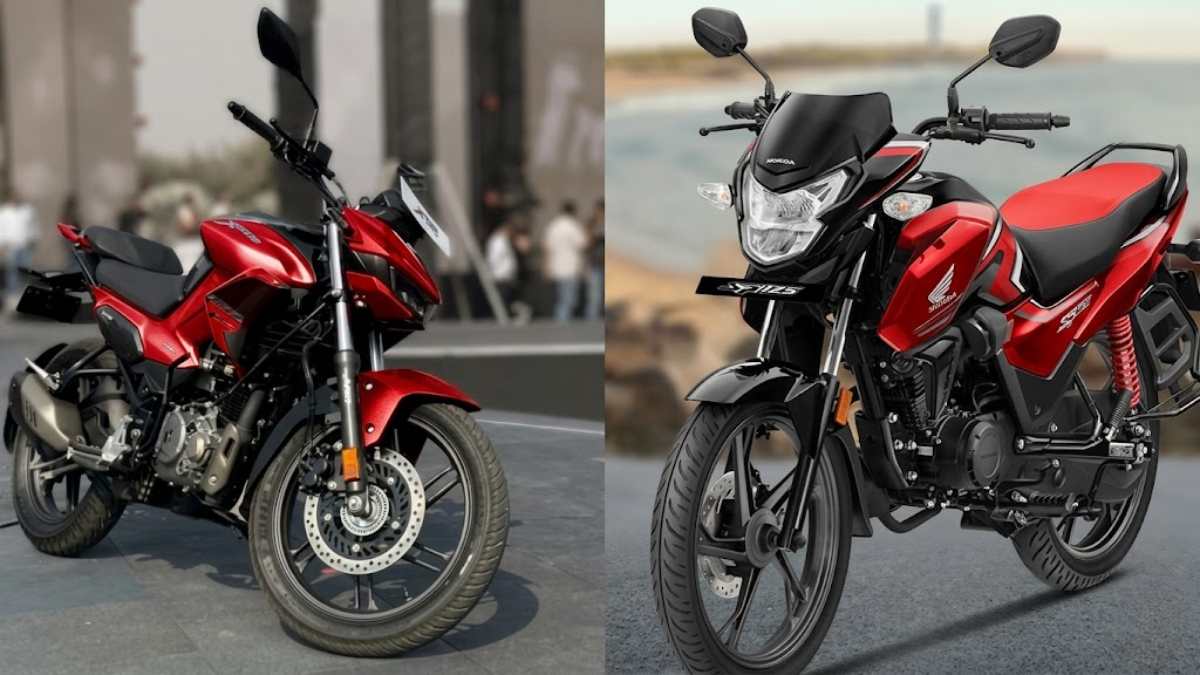
Hero vs Honda Sales – India’s two-wheeler market has once again delivered one of its most exciting rivalries, and this time the numbers tell a story that is both intense and surprisingly close. In FY26, Hero MotoCorp managed to stay ahead of Honda Motorcycle & Scooter India, but only by a narrow margin. Hero closed FY26 with total dispatches of 64,68,834 units, while Honda finished at 63,69,504 units. That means the gap stood at just 99,330 units by the end of the financial year.
| Brand Comparison | FY26 Total Sales/Dispatches | Growth Trend | March 2026 Performance | FY26 Gap |
|---|---|---|---|---|
| Hero MotoCorp vs Honda Motorcycle & Scooter India | Hero: 64,68,834 / Honda: 63,69,504 | Hero up 10%, Honda up 9% | Hero: 5,98,198 / Honda: 5,49,145 | 99,330 units |
Why the Hero vs Honda Rivalry Matters So Much
For Indian buyers, Hero are not just two companies. They are two names people have trusted for years. They are part of daily life. Whether someone wants a reliable commuter bike, a practical scooter for family use, a mileage-friendly option for office travel, or a dependable two-wheeler for rural roads, Hero and Honda are almost always in the conversation.
That is why the Hero vs Honda rivalry is bigger than just sales numbers. It reflects what Indian customers are really choosing. When Hero stays ahead, it shows the power of strong commuter-bike demand, deep rural reach, and long-standing trust. When Honda comes close, it highlights the strength of its scooters, urban appeal, and refined product image. FY26 proved that both of these forces are active at the same time.
The Numbers That Defined FY26
Hero MotoCorp ended FY26 with 64,68,834 units, rising from 58,99,187 units in FY25. Honda Motorcycle & Scooter India closed FY26 with 63,69,504 units, recording around 9 percent growth year-on-year. In simple terms, both companies had a strong financial year. Hero grew a bit faster, but Honda stayed close enough to keep the competition alive until the very end.
The final gap of 99,330 units may sound decent on paper, but when both brands are selling more than 63 lakh units in a year, the lead actually looks very slim. In percentage terms, Hero’s lead over Honda is only around 1.5 percent. That is not a comfortable advantage. That is the kind of lead that keeps the pressure high and the battle very much alive.
March 2026 Added Extra Drama to the Story
If anyone wanted proof that this rivalry stayed intense until the finish line, March 2026 delivered exactly that. Hero MotoCorp dispatched 5,98,198 units in March, while Honda sold 5,49,145 units in the same month. Both players posted strong performances and showed that market demand was still healthy as the financial year came to a close.
Hero’s March numbers helped it finish the year with confidence, while Honda’s strong end proved that it was not losing momentum. This is what makes the Hero vs Honda story so exciting right now. We are not looking at one brand dominating while the other struggles. We are watching two big names stay close enough that a few strong months can shift the mood of the market.
Hero’s Biggest Strength Still Comes From Trust and Reach
Hero MotoCorp’s strongest advantage remains its deep connection with the Indian commuter market. The company has built its name on practical motorcycles that focus on mileage, reliability, low running cost, and widespread service access. In many towns and smaller markets, that matters more than flashy features or premium styling.
Hero’s broad dealer and service network also continues to be a major strength. Buyers often choose a brand not only for the product, but for the confidence that service and support will be easy. Hero has spent years building that trust, and FY26 showed that this foundation is still strong enough to keep it at number one.
Another big reason Hero stayed ahead is that it did not depend on just one segment. The company’s core motorcycle range remained important, but scooters and electric mobility also started adding more energy to the story. That gives Hero more ways to protect its leadership in a market that is changing quickly.
Honda’s Strength Lies in Consistency and Scooter Power
If Hero’s identity is linked to mass commuter trust, Honda’s power comes from balance and consistency. The company closed FY26 with 63,69,504 units, showing that it is no longer just a strong number two. It is operating almost at the same level as the market leader.
Honda’s biggest weapon continues to be its scooter portfolio. In India, scooters have become more than just an urban convenience. They are now one of the most practical mobility solutions for students, office-goers, families, women riders, and even older customers who want ease of use. Honda has built strong recognition in this space, and that keeps giving it a serious advantage.
But Honda’s story is not only about scooters anymore. Its motorcycle range, premium image, and long-term expansion plans also show that the company wants to compete strongly across the board. That makes the Hero vs Honda fight even more interesting because Honda is not relying on just one winning formula.
A Gap That Grew, But Only Slightly
The most interesting part of this story is hidden in the headline itself. Yes, the gap between the two brands widened in FY26, but not by much. And that small difference is exactly what keeps the battle exciting.
Usually, when the leader extends its lead, the market feels more predictable. But here, the gap is still narrow enough to keep both sides fully alert. Hero can celebrate being on top, but it cannot relax. Honda can look at the same numbers and feel that the top position is not out of reach.
A yearly gap of 99,330 units between two companies selling more than 63 lakh units each is not a massive cushion. It is a signal that the next round could become even tighter.
What These Sales Numbers Say About Indian Buyers
Sales figures may look dry at first, but they actually reveal a lot about the mood of the market. They show what people are trusting with their money. In FY26, buyers clearly sent a mixed but very interesting message.
On one side, they continued to trust Hero for its familiar image, practicality, and strong commuter roots. On the other side, they also rewarded Honda for its refined products, scooter leadership, and consistent brand appeal.
This suggests that India’s two-wheeler market is now more layered than before. Rural demand, urban commuting, family usage, mileage expectations, everyday convenience, and new-age preferences are all influencing buying decisions together. That is one reason both Hero and Honda found room to grow strongly in FY26.
How Changing Segments Could Shape the Next Phase
The Hero vs Honda battle is not only about the present. It is also about where the market goes from here. The two-wheeler space is changing. Electric vehicles are becoming more visible. Premium bikes are attracting more attention. Scooters remain hugely relevant. Customers are also becoming more aware of features, comfort, and brand value.
For Hero, this means its future success cannot rely only on traditional commuter bikes. It needs more strength in scooters, premium offerings, and EVs. The good news for Hero is that these areas are already starting to show promise.
the challenge is a bit different. It already has a strong foothold in scooters and a well-balanced image. The next step is to keep expanding without losing momentum. If Honda continues to do that, the fight at the top could become even more dramatic in the years ahead.
Hero’s Leadership Still Gives It a Psychological Advantage
Even though is extremely close, Hero still has one very important edge. It remains the market leader. That matters more than many people realize. Being number one gives a brand confidence. Dealers feel stronger. Customers see it as a trusted choice. Investors and market watchers also pay attention to that leadership status.
In FY26, Hero protected that top image. It did not do it with a runaway lead, but it did enough to remind everyone that the leader is still in front. That is important because once a long-time market leader loses its place, the industry conversation changes very quickly. For now, Hero has avoided that moment.
Honda Can Still Feel Encouraged by FY26
Even though Honda finished behind Hero, it has every reason to feel confident after FY26. The company crossed 63.69 lakh units, posted solid growth, and ended the year strongly. It was not outclassed. In fact, it stayed close enough to make the next financial year look even more exciting.
This is where the Hero vs Honda story becomes more interesting than a simple winner-versus-loser comparison. Hero won FY26, but Honda stayed close enough to make the next round feel wide open. That is exactly the kind of rivalry that keeps the market alive.
What Could Decide the Next Round
Looking ahead, the next phase of the Hero vs Honda fight will likely be shaped by a few major factors. Product updates will matter a lot. Scooter demand will remain important. Rural recovery and urban demand will both play a big role. EV growth could add a new twist. Dealer-level execution will also matter because in such a close race, even small monthly differences can create a big impact over a full year.
Hero enters the next phase with the satisfaction of staying ahead. Honda enters it with the hunger of a challenger that knows the gap is not huge. That is the perfect recipe for an even more competitive FY27.
Why This Battle Is Good for Buyers
One more important point often gets ignored. A close rivalry between Hero and Honda is actually good news for customers. When two big brands stay neck and neck, they are forced to work harder. They improve products faster. They pay more attention to mileage, comfort, pricing, styling, and features. They push dealer networks harder. They market more aggressively. In the end, buyers get better options.
That is why the Hero vs Honda race matters even to someone who is not tracking monthly sales. This rivalry shapes the kind of motorcycles and scooters that arrive in showrooms. It influences pricing strategies. It affects the speed of updates. And it keeps the pressure on both companies to stay sharp.
The Emotional Side of the Hero vs Honda Story
There is also something very human about this battle. Hero and Honda are not just brands on paper. For many Indian families, these names are connected with memories. A first bike for college. A scooter bought after a first job. A dependable machine that helped run small businesses. A daily companion through traffic, heat, rain, and long workdays.
That emotional connection is what makes the Hero vs Honda rivalry feel bigger than numbers. People do not just compare specifications. They compare experiences, trust, comfort, resale value, and what they have seen in their own homes and neighborhoods. That emotional layer keeps this contest special.
Final Thoughts
FY26 did not bring a one-sided victory. It brought something more interesting. It brought a real contest. Hero MotoCorp finished ahead of Honda Motorcycle & Scooter India with 64,68,834 units against Honda’s 63,69,504 units. The difference was just 99,330 units, which is small enough to keep the rivalry intense and very much alive.
So yes, the gap grew in FY26. But not by much. And that is exactly why this story feels so exciting. Hero still leads, but Honda is close enough to make every upcoming sales update worth watching. In India’s massive two-wheeler market, that makes Hero vs Honda one of the biggest and most engaging rivalries right now.
FAQs
Who sold more two-wheelers in FY26, Hero or Honda?
Hero MotoCorp sold more two-wheelers in FY26. Hero ended the year with 64,68,834 units, while Honda closed at 63,69,504 units.
What was the gap between Hero and Honda in FY26?
The final gap between Hero and Honda in FY26 was 99,330 units.
Did Hero dominate Honda in FY26?
No, Hero stayed ahead, but the margin was very small compared to the total annual volumes of both brands. The competition remained very close.
How did Hero perform in March 2026?
Hero MotoCorp reported 5,98,198 units in March 2026, ending the financial year with strong momentum.
How did Honda perform in March 2026?
Honda reported 5,49,145 units in March 2026, showing that it also ended the year on a strong note.
Why is the Hero vs Honda rivalry so important?
Because both brands dominate India’s mass two-wheeler market, and their sales reflect changing customer preferences in motorcycles, scooters, and future mobility trends.
Can Honda overtake Hero in the next financial year?
It is possible. The gap is narrow enough that strong product updates, better market execution, and sustained demand could make the next round even more competitive.